
Living · Resident guide
Living in San Diego: A Practical Guide for Residents
Living in San Diego offers mild weather, beaches, outdoor recreation, a strong food scene and a diverse population. It also comes with real trade-offs, especially the high cost of housing. This guide covers everyday life, from housing and jobs to schools, commuting, safety and settling in.

Living in San Diego at a glance
- Climate Mild year-round, with cooler coasts and hotter inland valleys
- Cost of living Well above the U.S. average, driven mainly by housing
- Getting around Mostly car-based, with trolleys and buses in central areas
- Top industries Defense, life sciences, tech, tourism, education and healthcare
- Main utility San Diego Gas & Electric (SDG&E)
- New-resident deadlines DMV registration and a California license soon after you move
In this guide
- Pros and cons of living in San Diego
- Cost of living
- Housing
- Making friends and building community
- Choosing a neighborhood
- Jobs and economy
- Education
- Transportation and commuting
- Climate and healthcare
- Safety and emergency preparedness
- Lifestyle
- Living in San Diego for different groups
- Everyday life considerations
- Practical tips for new residents
- Moving to San Diego checklist
- Final thoughts
- Frequently asked questions
- More guides
Living in San Diego comes with a lot of what people move here for: mild weather, beaches, outdoor recreation, a strong food scene and a diverse population. It also has real trade-offs, especially the high cost of housing. This guide covers what everyday life is like, for current residents and for anyone planning a move.
For a detailed look at areas, see our best neighborhoods in San Diego and San Diego neighborhood guide. Browse all resident-focused content in the Living in San Diego category.
We avoid quoting specific prices, rents or salaries because they change quickly. For current data, consult official sources such as the San Diego Association of Governments (SANDAG), the County of San Diego and the City of San Diego.
Pros and cons of living in San Diego

The pros
Climate: mild temperatures year-round, especially near the coast. Outdoor lifestyle: beaches, hiking, surfing, biking and parks. Diversity: a multicultural population and proximity to Mexico. Food and drink: Mexican food, seafood, global cuisines and craft beer. Economy: strong defense, life sciences, tech, tourism and education sectors. Culture: museums, theater, sports and festivals.

The cons
Cost of living: housing is among the most expensive in the country. Traffic: commutes can be long on major freeways. Car dependence: many areas require a car. Wildfire risk: especially in inland and backcountry areas. Competitive housing: rentals and homes can go quickly.
Cost of living
San Diego’s cost of living is high compared with the national average, driven mainly by housing. Other costs, like gas, electricity and groceries, are also generally higher than national averages. Budget carefully and compare neighborhoods, as costs vary widely across the county.
Ways to manage costs
- Consider neighborhoods farther from the coast or in East County and South Bay.
- Share housing or rent with roommates.
- Use public transit when practical. Riders 18 and under ride MTS free with a Youth PRONTO card.
- Take advantage of free outdoor activities; see free things to do in San Diego.
- Look for resident discounts at museums and attractions.
- Review your SDG&E rate plan, since electricity costs are a common surprise for newcomers.
Housing
Renting
Many San Diegans rent. Popular rental areas include North Park, Hillcrest, Pacific Beach, Mission Valley and downtown. Start your search early, have documents ready and be prepared to move quickly when you find the right place.


Buying
Home prices are high, and competition can be strong. Inland areas and South Bay are often more affordable than coastal communities. Older neighborhoods like Kensington, North Park and Mission Hills are known for historic Craftsman, Spanish Revival and Tudor-style homes, some with historic designations that come with renovation rules.
Tenant rights
California has tenant protections, including limits on rent increases for many units and just-cause eviction rules, and the City of San Diego has additional protections. Rules change, so check the California Department of Justice tenant guide and the City of San Diego for current requirements.
Military housing
With a large military presence, many families live in military housing or nearby neighborhoods. Base housing offices can help with options and waitlists.
Finding housing: step by step
- Set your budget. Keep housing costs to a manageable share of income, and factor in utilities, parking and renter’s insurance.
- Shortlist neighborhoods. Balance commute, lifestyle and price, and visit at different times of day.
- Prepare documents. Landlords typically ask for ID, proof of income and references, and may run a credit check.
- Search widely. Use listing sites, property management companies and local networks, and watch for new listings daily.
- Avoid scams. Never send money for a unit you haven’t seen or verified, and be wary of prices that seem far below market.
- Read the lease carefully. Check rules about pets, parking, utilities and move-out conditions.
- Document move-in condition. Take dated photos and notes before you move in.
Making friends and building community
Moving to a new city can feel isolating at first. Many newcomers find community through running and surf clubs, volunteer groups, sports leagues, faith communities, classes and neighborhood events. Breweries and coffee shops often host trivia nights and meetups, and farmers markets are an easy way to get to know a neighborhood. San Diego’s outdoor culture makes it easy to say yes to a hike or beach day with new friends.

Choosing a neighborhood
| Lifestyle | Neighborhoods | Why people choose it |
|---|---|---|
| Urban living | Downtown, Little Italy, East Village, Hillcrest | Walkable city living near transit |
| Beach living | Pacific Beach, Ocean Beach, La Jolla, Coronado | Coastal life at a premium |
| Family suburbs | Clairemont, Carmel Valley, Scripps Ranch, Rancho Bernardo, Poway, eastern Chula Vista | Space, parks and well-regarded schools |
| More affordable options | Inland neighborhoods and East County cities | Often lower housing costs |
| North County | Carlsbad, Encinitas, Oceanside, San Marcos | Coastal and suburban living outside the city |
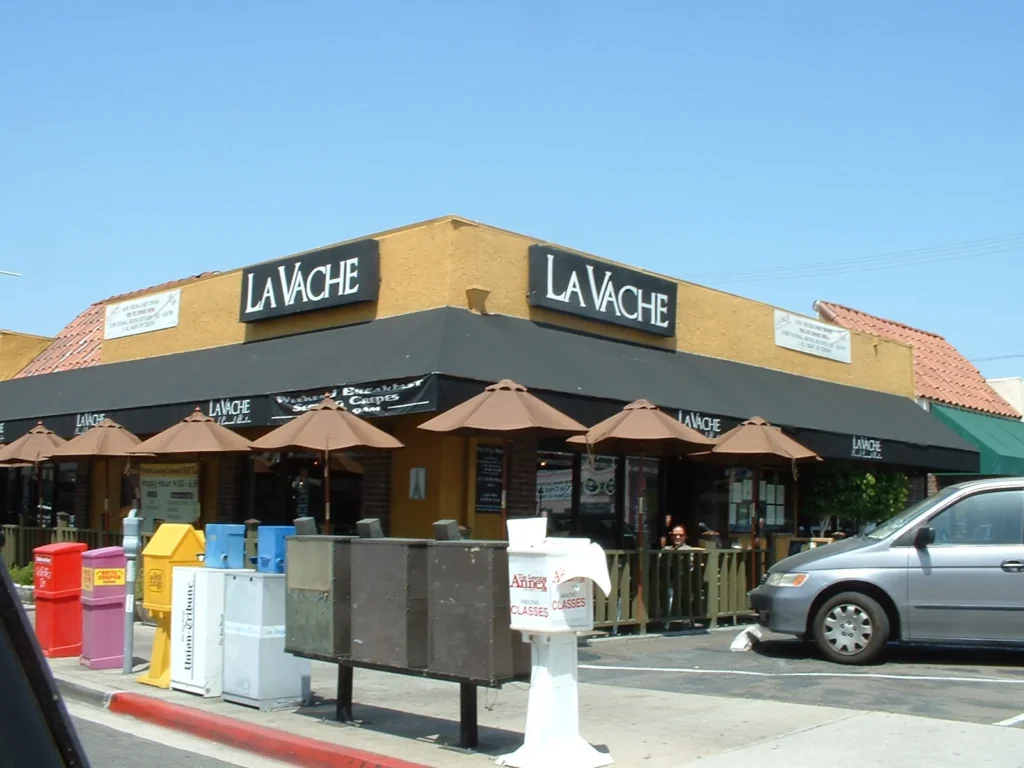


See our best neighborhoods in San Diego guide for detailed comparisons.
Jobs and economy
San Diego’s economy is diverse. Major sectors include:
- Military and defense: a large Navy and Marine Corps presence, plus many defense contractors.
- Life sciences and biotech: especially around Torrey Pines and Sorrento Valley.
- Technology and telecommunications.
- Tourism and hospitality.
- Education and research: UC San Diego, San Diego State and other institutions.
- Healthcare.
- Cross-border trade and manufacturing, especially in Otay Mesa and South Bay.

Military San Diego
San Diego is home to one of the largest concentrations of military personnel in the country, with installations such as Naval Base San Diego, Naval Air Station North Island, Marine Corps Air Station Miramar and Marine Corps Base Camp Pendleton just to the north. Many neighborhoods have strong military communities, and base resources help with relocation, housing and schools.
Education
K-12 schools
San Diego Unified is the largest school district, and many other districts serve the region. Charter, magnet and private schools are also available. Research school ratings, boundaries and enrollment rules before choosing a home, using the California Department of Education and district websites.
Higher education

UC San Diego
A major research university in La Jolla, known for science, engineering and medicine. The trolley’s Blue Line stops on campus.

San Diego State University
A large public university in the College Area, with a Green Line trolley stop on campus.

Other options
The University of San Diego, Point Loma Nazarene University, community colleges and public libraries offer many ways to keep learning.
Transportation and commuting
Driving and transit
Most residents drive, and freeways like I-5, I-15, I-8 and I-805 can be congested at rush hour. MTS trolleys and buses serve much of the city, and the Coaster serves the coast. As of October 1, 2026, an adult MTS fare is $3 with 2-hour transfers, with PRONTO capping fares at $85 a month. Living near a trolley line can make car-light life realistic. See getting around San Diego.

Biking and remote work
Bike infrastructure is improving, especially in central neighborhoods with new protected lanes. Many residents work remotely or hybrid, which can widen housing choices.
Climate and healthcare
Climate and weather
San Diego’s climate is mild, with dry summers and wetter winters. Coastal areas are cooler, and inland areas get hotter. Many older coastal homes lack air conditioning, which matters during late-summer heat waves. See San Diego weather by month.
Healthcare
San Diego has major hospital systems and medical centers, including academic medical centers. Check which providers are in your insurance network before you choose doctors, and note the nearest urgent care and emergency room to your home. If you’re moving from out of state, confirm when your current coverage ends and whether you need a new plan through your employer or Covered California, the state’s health insurance marketplace.
Safety and emergency preparedness

Wildfires and earthquakes
Wildfire is a real risk, especially inland. Sign up for emergency alerts through AlertSanDiego, create a family plan and prepare a go-bag. Southern California also sits in an active seismic zone, so secure heavy furniture and water heaters, keep emergency supplies of water, food and medications, and learn to “drop, cover and hold on.”
Crime
San Diego is often considered relatively safe for a large U.S. city, but crime varies by neighborhood. See is San Diego safe.
Official resources
The City of San Diego and County of San Diego provide emergency information, including the county’s alert system and ReadySanDiego preparedness guides.
Lifestyle

Outdoor life
Beaches, hiking, surfing, parks and dog-friendly beaches are part of everyday life. See outdoor activities in San Diego.

Food and drink
Tacos, seafood, global cuisines and one of the country’s best-known craft beer scenes. See best restaurants in San Diego.

Arts and culture
Balboa Park’s museums, professional theaters like The Old Globe and La Jolla Playhouse, the San Diego Symphony and neighborhood art walks.

Sports
The Padres, San Diego FC, the San Diego Wave and San Diego State teams, with big games at Petco Park and Snapdragon Stadium.

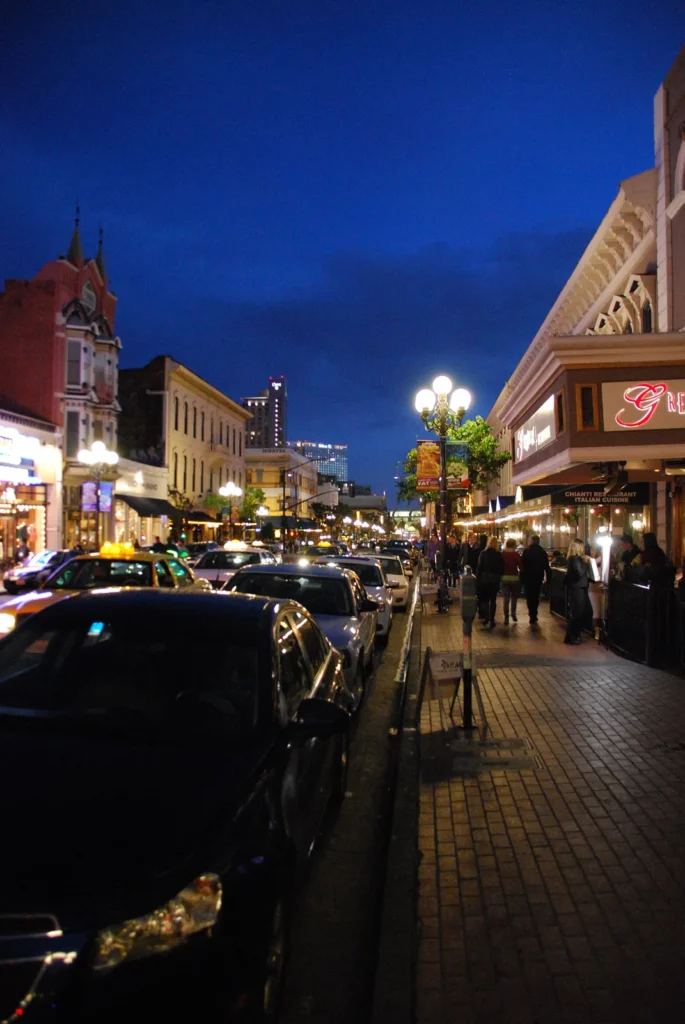
Nightlife ranges from Gaslamp clubs and Pacific Beach bars to the craft breweries and cocktail lounges of North Park and Hillcrest; see our San Diego nightlife guide. For festivals, farmers markets and seasonal celebrations, see San Diego events and the Events category.
Living in San Diego for different groups
Families
Families are drawn to San Diego’s parks, beaches, museums and outdoor lifestyle. Research school districts, commute times and access to parks, and look at suburban communities in North County, the I-15 corridor and South Bay for more space. Many museums offer resident discounts, and Balboa Park has long offered free resident days at rotating museums. See our family vacation in San Diego guide and things to do with kids for ideas that work for locals too.
Students
UC San Diego, San Diego State and other campuses shape their surrounding neighborhoods. Students often live in shared housing in La Jolla, University City, the College Area and Pacific Beach. The trolley connects both UC San Diego and SDSU to the wider city, which makes car-free student life more practical than it once was.
Retirees
Retirees appreciate the mild climate, healthcare options and active lifestyle. Many look at areas with single-level homes, walkable town centers and nearby medical care. Weigh housing costs and consider whether you want to be near the coast or inland.
Remote workers
Remote workers can choose areas based on lifestyle rather than commute. Coffee shops, coworking spaces and good internet are common in central neighborhoods, and living farther from the coast can make housing more affordable.
Everyday life considerations
- Water conservation: Southern California depends heavily on imported water, and droughts happen. Outdoor watering rules can change during drought conditions, and many residents replace lawns with drought-tolerant landscaping.
- Pets: San Diego is very dog-friendly, with dog beaches, dog parks and pet-friendly patios. Check leash laws and beach rules, and expect pet restrictions or fees in many rentals.
- Community involvement: Neighborhood planning groups, town councils, beach cleanups and local nonprofits offer many ways to get involved.
- Cross-border life: Some residents cross into Mexico regularly for work, family or leisure. Trusted traveler programs from U.S. Customs and Border Protection, such as SENTRI, can shorten waits.
- Seasons of local life: Locals plan around beach days in late summer and fall, whale watching in winter, wildflowers in spring and busy downtown weekends during Comic-Con. Fire-season preparation in late summer and fall becomes routine, especially inland.
Practical tips for new residents
New-resident to-do list
- Register your car: California generally requires new residents to register vehicles within 20 days of establishing residency. Check the California DMV for current rules.
- Get a California driver’s license: New residents generally need one within 10 days of establishing residency.
- Set up utilities: SDG&E provides electricity and gas for most of the region, while water comes from your city or local water district.
- Register to vote through the California Secretary of State.
- Find your trash and recycling schedule: The City of San Diego collects for many single-family homes; apartment buildings often use private haulers.
- Get a library card: The San Diego Public Library and County Library offer free cards to residents.
Moving to San Diego checklist
- Research neighborhoods and commute times.
- Set a realistic housing budget.
- Visit before committing, ideally in different seasons.
- Line up a job or remote work.
- Plan for vehicle registration and a new license.
- Set up utilities and internet.
- Find healthcare providers in your network.
- Sign up for emergency alerts.
- Explore your new neighborhood.
Final thoughts
Living in San Diego rewards people who plan ahead. Research neighborhoods, set a realistic budget and take time to explore the region before committing to a lease or purchase. Once settled, most residents find that the climate, outdoor access and community make daily life genuinely enjoyable.
Frequently asked questions
Is it expensive to live in San Diego?
Yes. Housing costs are among the highest in the country, and many other costs are above average.
What are the best neighborhoods to live in San Diego?
It depends on budget and lifestyle. See our best neighborhoods in San Diego guide for comparisons.
Is San Diego a good place to live?
Many residents love the weather, outdoor lifestyle and culture, but the high cost of living is a major consideration.
Do you need a car to live in San Diego?
Most residents rely on a car, though some central neighborhoods near the trolley are walkable and transit-friendly.
What are the main industries in San Diego?
Military and defense, life sciences, technology, tourism, education and healthcare.
How long does it take to feel settled in San Diego?
It varies, but joining clubs, exploring neighborhoods and getting involved locally helps newcomers settle faster.
Is San Diego a good place for remote workers?
Yes. The lifestyle, coworking spaces and wide range of neighborhoods make it popular with remote workers.
Is San Diego safe to live in?
San Diego is often considered relatively safe for a large city, but conditions vary by neighborhood.
More guides
- Is San Diego Safe? A Neighborhood-by-Neighborhood Look
- Best Neighborhoods in San Diego (For Visitors and Residents)
- The Ultimate List of Things to Do in San Diego (Local Guide)
Photo credits
Featured image: cybaea / Wikimedia Commons, CC BY-SA 2.0; The pros: This Photo was taken by Wolfgang Moroder. Feel free to use my photos, but ple / Wikimedia Commons, CC BY-SA 3.0; The cons: Joe Mabel / Wikimedia Commons, CC BY-SA 4.0; Renting: RightCowLeftCoast / Wikimedia Commons, CC BY-SA 4.0; Buying: RightCowLeftCoast / Wikimedia Commons, CC BY-SA 4.0; The Little Italy farmers market brings local produce and foo: Db9023 / Wikimedia Commons, CC BY-SA 3.0; A neighborhood street scene in Hillcrest, one of the city's most walkable areas: Mountain Mike Johans… / Wikimedia Commons, CC BY 3.0; Carmel Valley, a popular suburban area for families: Navirav / Wikimedia Commons, CC BY-SA 4.0; Rancho Bernardo Community Park in the northern suburbs: Lonnez / Wikimedia Commons, CC BY-SA 4.0; Military San Diego: U.S. Navy photo by Mass Communication Specialist 2nd Class Daniel J. Taylor / Wikimedia Commons (public domain); UC San Diego: Stephen Bay / Wikimedia Commons, CC BY 4.0; San Diego State University: Stuart Seeger at https://www.flickr.com/photos/stuseeger/ / Wikimedia Commons, CC BY 2.0; Other options: Blervis / Wikimedia Commons, CC0; Driving and transit: Ruff tuff cream puff / Wikimedia Commons, CC0; Wildfires and earthquakes: Kat Miner from San Diego, USA / Wikimedia Commons, CC BY 2.0; Outdoor life: Jlantzy (Jamie Lantzy) / Wikimedia Commons, CC BY 2.5; Food and drink: FASTILY / Wikimedia Commons, CC BY-SA 4.0; Arts and culture: Bernard Gagnon / Wikimedia Commons, CC BY-SA 3.0; Sports: Terrible Tim / Wikimedia Commons, CC BY-SA 4.0; A Padres game at Petco Park in East Village: Mds08011 / Wikimedia Commons, CC BY 4.0; Fifth Avenue in the Gaslamp Quarter at night: FASTILY / Wikimedia Commons, CC BY-SA 3.0.