
Neighborhoods · Hub guide
San Diego Neighborhood Guide: The City’s Best Areas Explained
San Diego is often called a city of neighborhoods. From the historic Gaslamp Quarter and foodie Little Italy to surf-town Ocean Beach, upscale La Jolla and laid-back North County beach towns, each area has its own personality. This guide explains what each one is known for and how to visit.
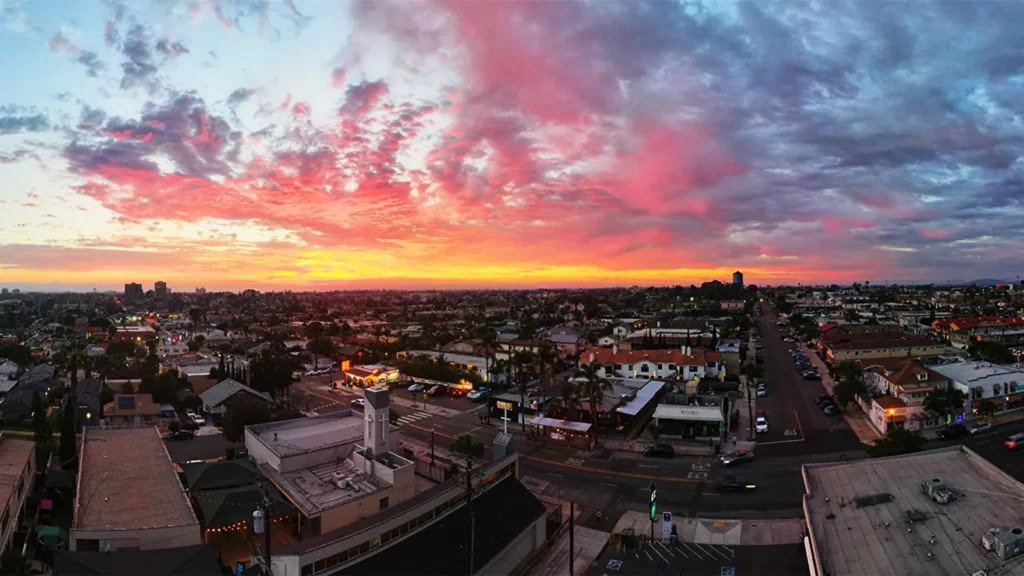
San Diego neighborhoods at a glance
- Best first-time base Downtown, Little Italy or the Embarcadero
- Best for food Little Italy, North Park, Convoy and Barrio Logan
- Best for beaches La Jolla, Pacific Beach, Ocean Beach and Coronado
- Best for history Old Town, the Gaslamp Quarter and Point Loma
- Most walkable Downtown, Little Italy, Hillcrest, North Park and Coronado
- Region size 18 incorporated cities plus many unincorporated communities
In this guide
- How San Diego is organized
- Downtown neighborhoods
- Uptown neighborhoods
- Coastal communities
- Historic and central neighborhoods
- Mission Valley and inland neighborhoods
- South Bay
- North County
- East County
- A brief history of San Diego’s neighborhoods
- Exploring neighborhoods like a local
- Neighborhoods by interest
- Choosing a neighborhood to stay in
- Choosing a neighborhood to live in
- Day trips from San Diego
- Visiting Tijuana
- Neighborhood safety
- Frequently asked questions
- More guides
San Diego is often called a “city of neighborhoods,” and this San Diego neighborhood guide will help you understand why. Every area feels different, from the historic Gaslamp Quarter and foodie Little Italy to surf-town Ocean Beach and upscale La Jolla.
This hub introduces the major neighborhoods, what they’re known for and how to visit, for visitors picking where to explore and newcomers deciding where to live. For residents and movers, see our best neighborhoods in San Diego guide, and for trip planning, see where to stay in San Diego.
How San Diego is organized
The City of San Diego is the second-largest city in California by population, and it sits within San Diego County, which includes 18 incorporated cities and many unincorporated communities. Visitors often think of “San Diego” as the whole region, from Oceanside in the north to the Mexican border in the south.
Broadly, the region can be divided into:
- Downtown and the waterfront
- Uptown neighborhoods around Balboa Park
- Coastal communities from Point Loma to La Jolla, plus Coronado
- Historic and central areas such as Old Town and Barrio Logan
- Mission Valley and inland neighborhoods
- South Bay, toward the border
- North County, coastal and inland
- East County and the mountains
Downtown neighborhoods
Downtown San Diego is compact and walkable, and the trolley links most of its districts. It’s the most convenient base for first-time visitors.

Gaslamp Quarter
A historic district of Victorian-era buildings that’s now the city’s main dining and nightlife hub, with Fifth Avenue at its heart. The Gaslamp Quarter Historical Foundation runs walking tours and the William Heath Davis House, one of the oldest surviving structures downtown. Known for: restaurants, bars, clubs and historic architecture. Getting there: trolley to the Gaslamp Quarter or Convention Center stations.

East Village
East Village surrounds Petco Park and has grown into a neighborhood of apartments, breweries, restaurants and the Central Library. Known for: Padres games, breweries and urban living.
Little Italy
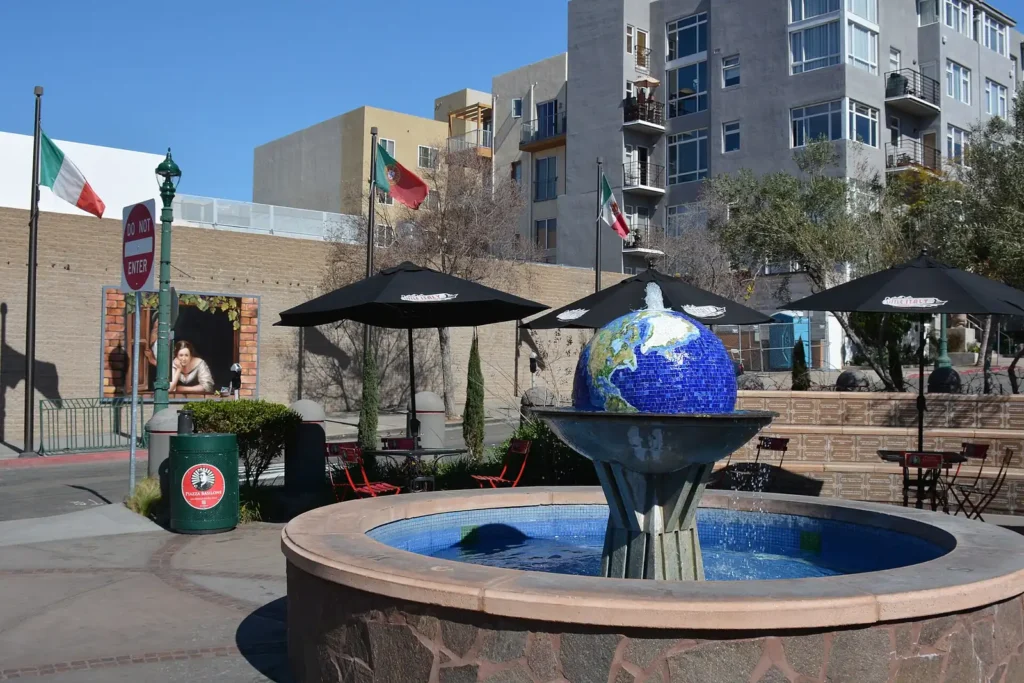
Once home to Italian fishing families, Little Italy is now one of the city’s top food destinations, with piazzas, restaurants and the big Saturday Mercato farmers market. Don’t miss: Piazza della Famiglia and a stroll down India Street and Kettner Boulevard. Getting there: trolley to County Center/Little Italy.
Embarcadero and Marina District
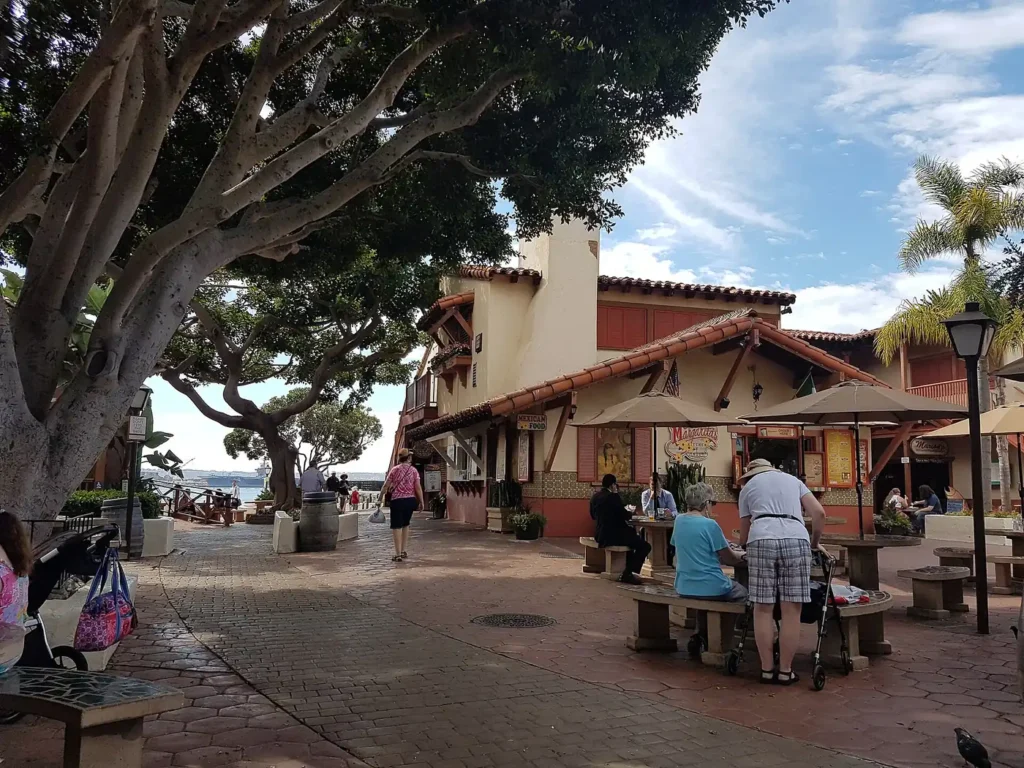
The waterfront is home to Seaport Village, the USS Midway Museum and harbor cruises. Known for: waterfront walks, museums and bay views.
Nearby Core-Columbia and Cortez Hill are downtown’s business and residential areas, with hotels, offices and high-rise apartments. For nights out downtown, see our San Diego nightlife guide.
Uptown neighborhoods
The neighborhoods north and east of Balboa Park grew up along early streetcar lines and are full of historic homes, independent businesses and some of the city’s best restaurants.
Hillcrest
Hillcrest is the center of San Diego’s LGBTQ+ community and is known for diverse restaurants, shops and nightlife. Look for the Hillcrest sign over University Avenue and the large Pride flag at the neighborhood’s center. A popular Sunday farmers market draws crowds.


North Park
North Park is known for craft beer, coffee, vintage shops and creative restaurants, and it’s one of the city’s liveliest neighborhoods. Don’t miss: the North Park sign on University Avenue, the Observatory North Park theater and Ray at Night, a monthly art walk on Ray Street. Getting there: bus or rideshare from downtown, about 10 to 15 minutes by car.
South Park
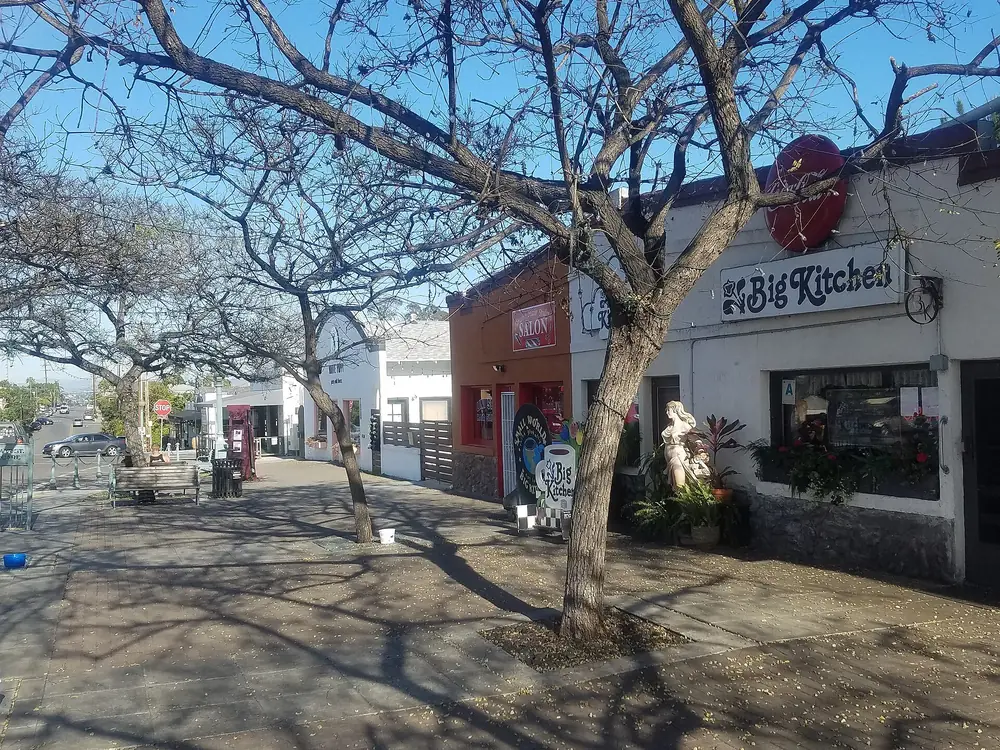
South Park has a small-town feel, with historic Craftsman homes, local cafes and independent shops along 30th and Fern streets.
Mission Hills
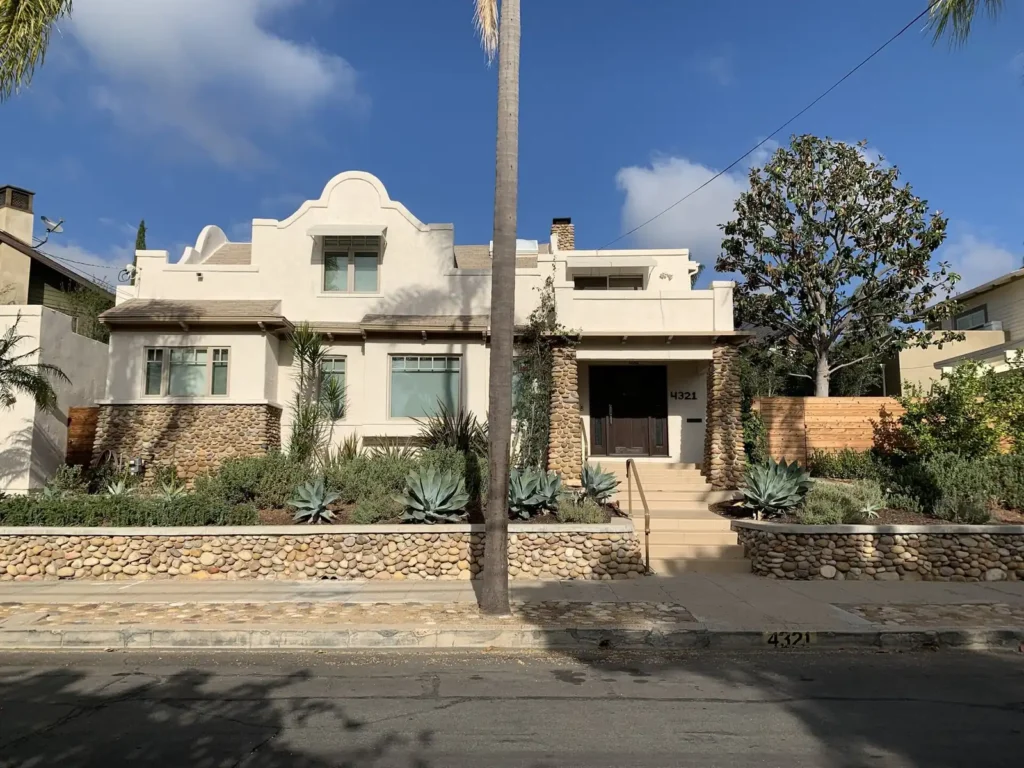
A historic neighborhood with older homes and quiet streets between Hillcrest and Old Town.
Bankers Hill
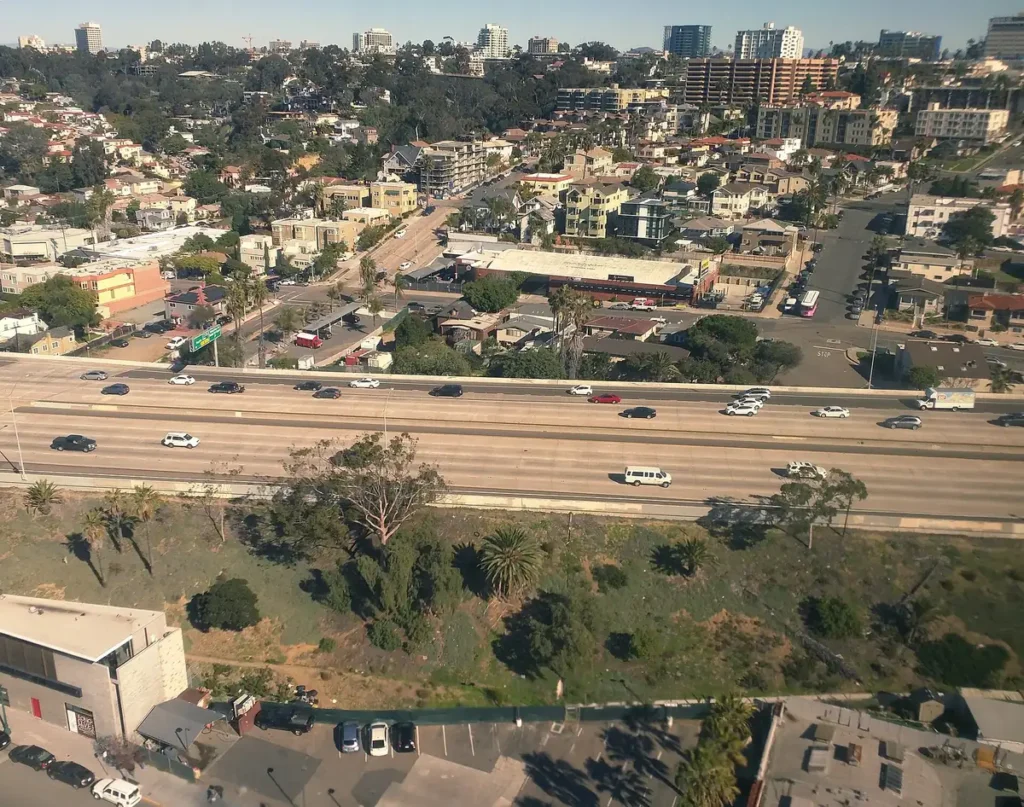
Bankers Hill borders the west side of Balboa Park, with historic homes, restaurants and park and bay views.
University Heights and Normal Heights are mostly residential, with local restaurants, bars and antique shops along Adams Avenue and Park Boulevard.
Coastal communities
La Jolla
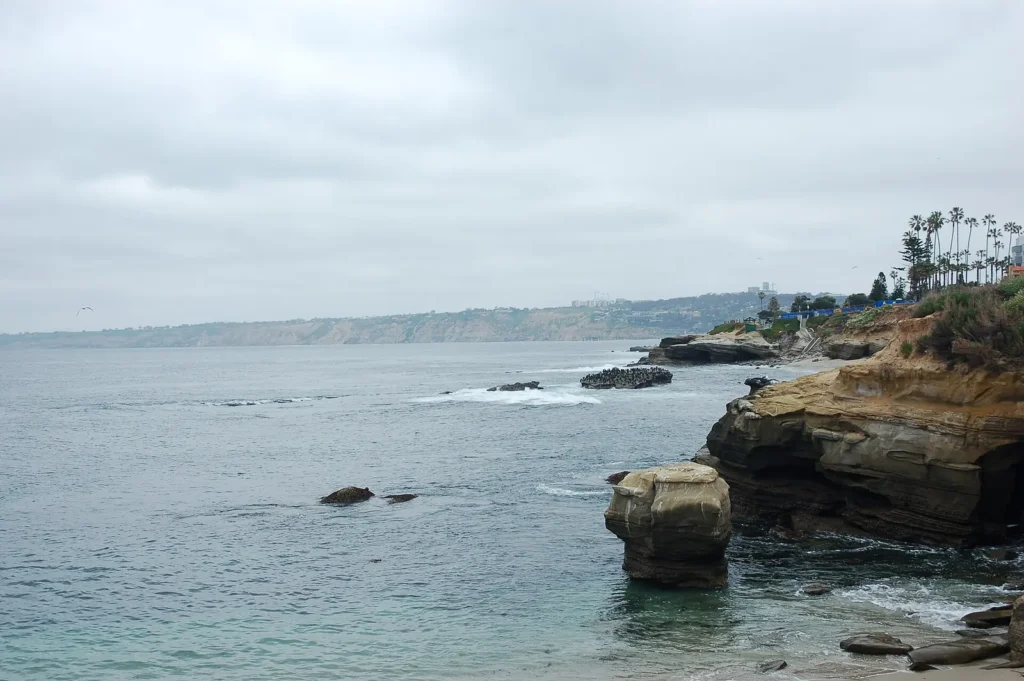
La Jolla is known for its dramatic coastline, upscale shopping, fine dining, La Jolla Cove and the nearby UC San Diego campus. Don’t miss: the coastal walk from La Jolla Cove to the Children’s Pool, Prospect Street’s galleries and a sunset at Scripps Park. The Children’s Pool beach closes to the public from December 15 to May 15 for harbor seal pupping season. Getting there: drive, rideshare or bus. See our La Jolla Cove guide.
Pacific Beach
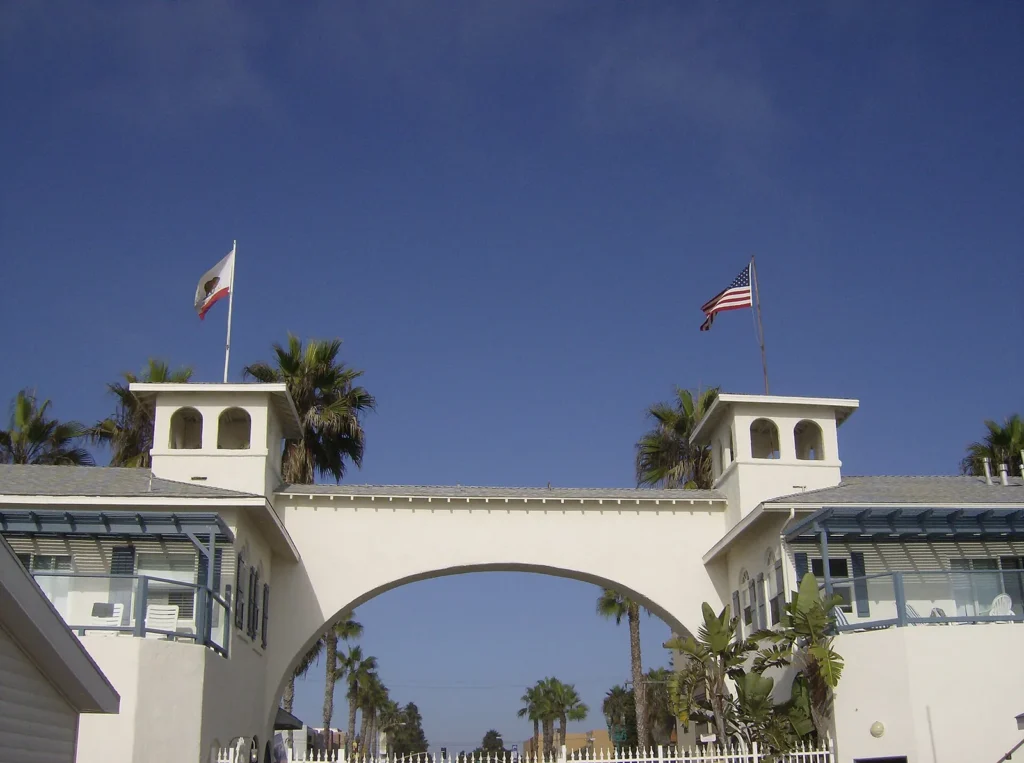
PB is a lively beach community with a boardwalk, surfing and nightlife. Crystal Pier, with cottages built on the pier itself, is a local landmark, and Garnet Avenue is the main strip for restaurants and bars.
Mission Beach
A narrow strip between the ocean and Mission Bay, Mission Beach has a busy boardwalk, beach cottages and Belmont Park, home of the historic Giant Dipper roller coaster.

Ocean Beach
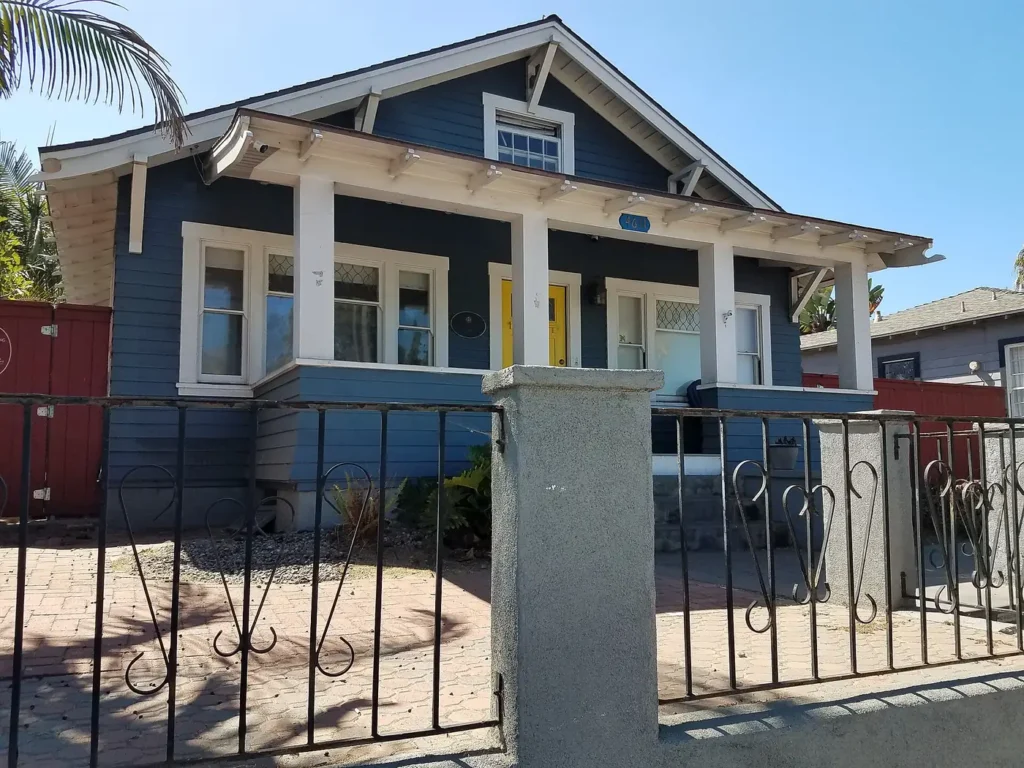
OB is known for its laid-back, bohemian character, its long pier, Dog Beach and the shops on Newport Avenue. Don’t miss: the Ocean Beach Pier (check whether it’s open, as it has had long closures for repairs), the Wednesday farmers market and the antique shops on Newport Avenue.
Point Loma
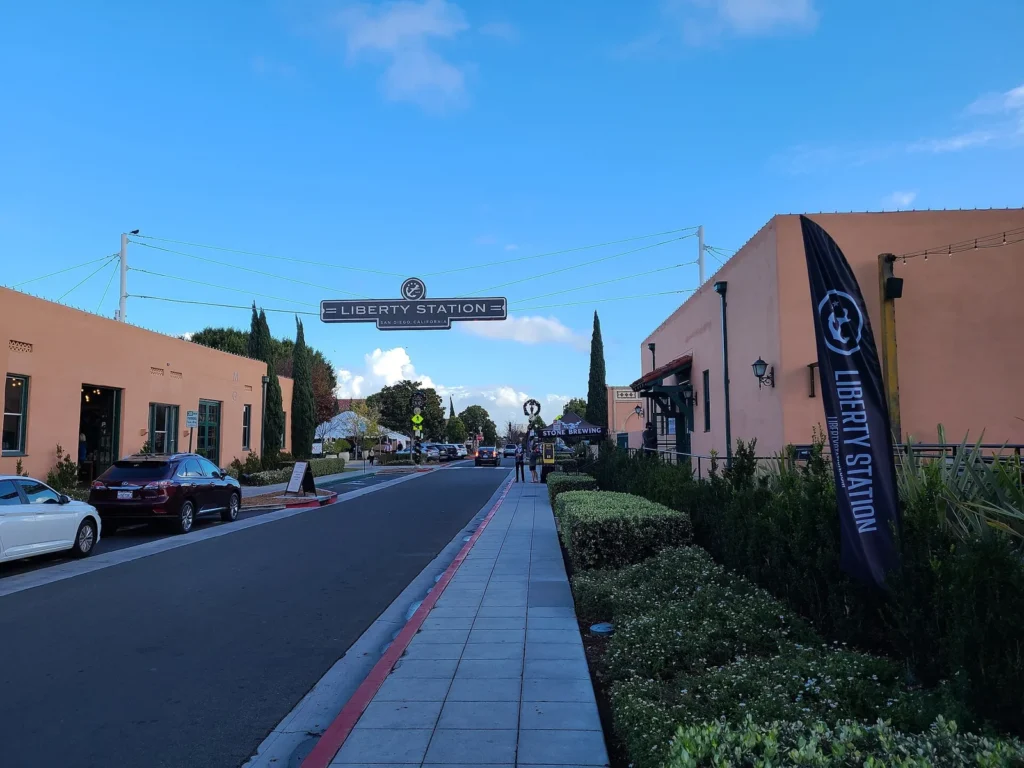
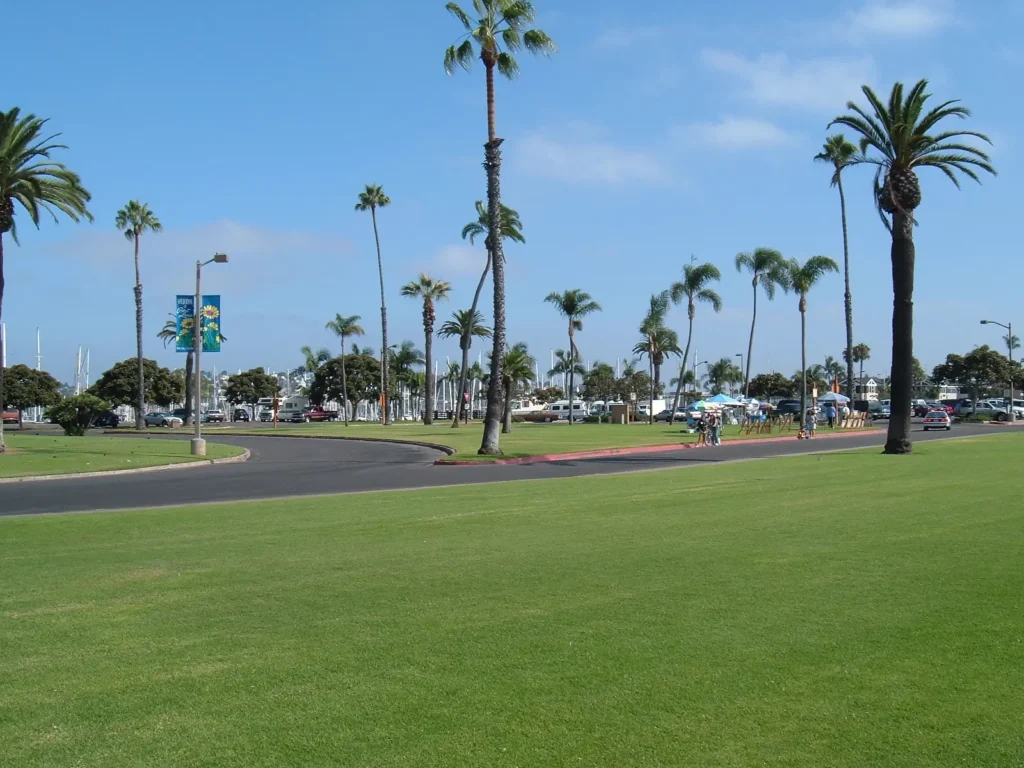
Point Loma includes Shelter Island, Liberty Station, Cabrillo National Monument and Sunset Cliffs. Liberty Station, a former Naval Training Center, has been redeveloped into an arts district, food hall, shops and parks. Shelter Island has marinas, bay views and a waterfront path. See the National Park Service for Cabrillo visitor information.

Coronado
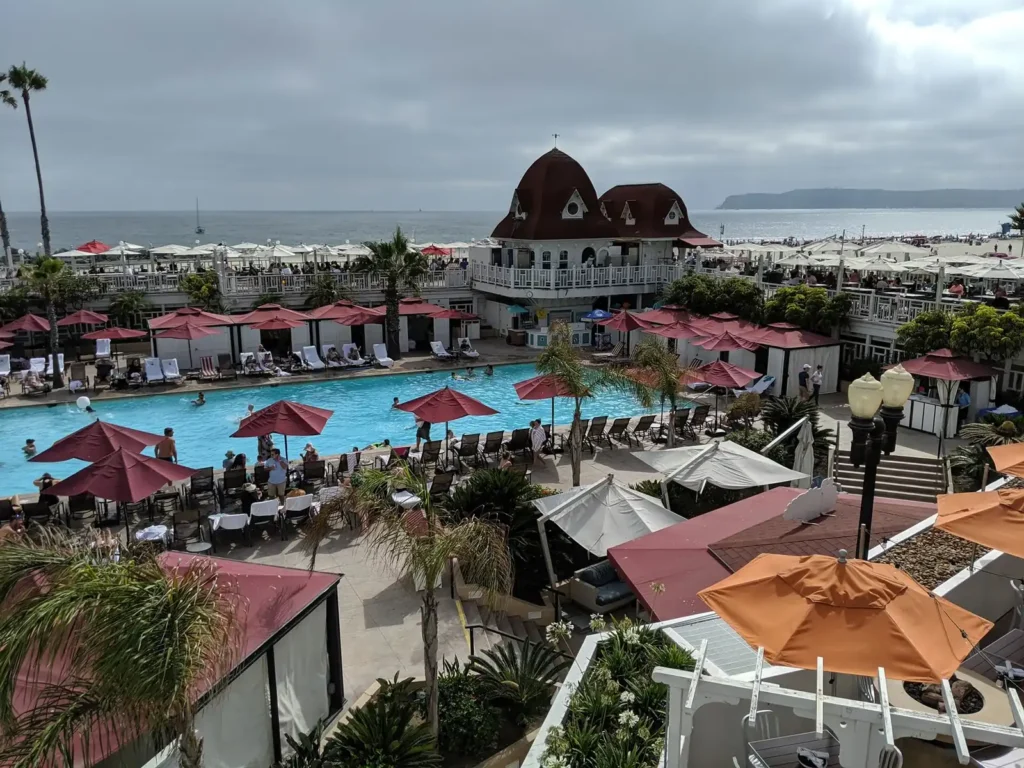
Technically a separate city, Coronado sits across the bay with a famous beach and the Hotel del Coronado. Orange Avenue is the main street, lined with shops and restaurants. The town is flat and easy to explore by bike, and the ferry from downtown makes it an easy car-free trip. See our San Diego beaches guide.
Historic and central neighborhoods
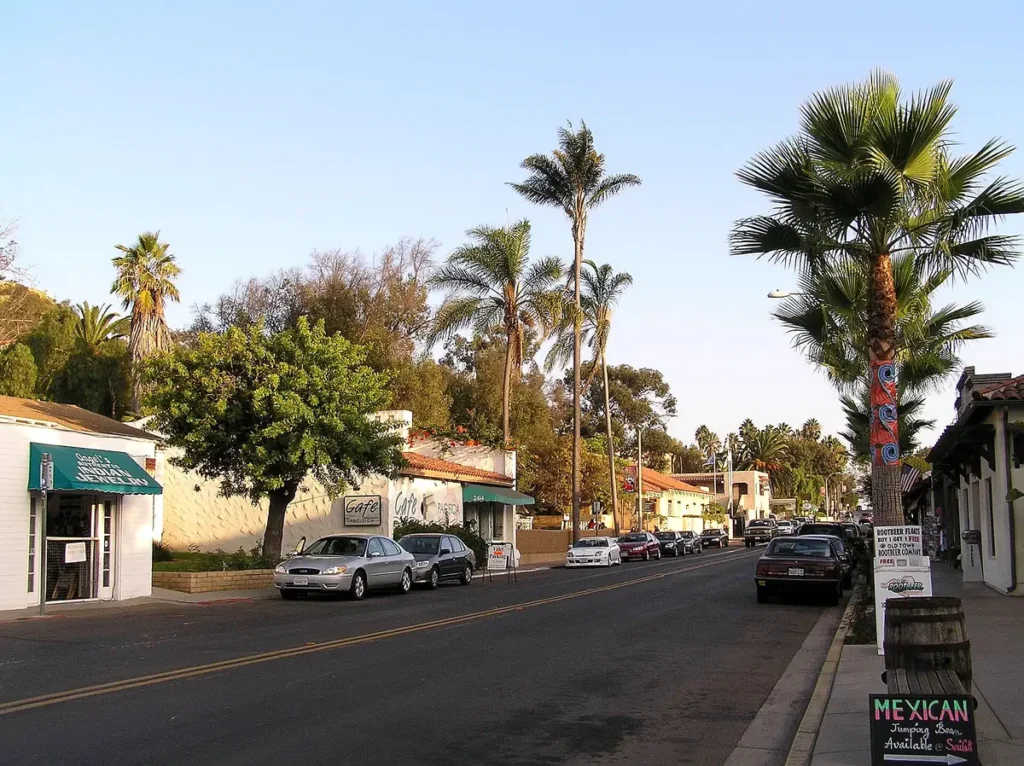
Old Town
Old Town is the site of early Spanish and Mexican settlement and is now a state historic park with museums, restaurants and shops. Nearby Presidio Park marks the site of the original Spanish fort and mission, and the Junípero Serra Museum sits on the hill. The Old Town Transit Center makes it one of the easiest historic areas to reach by trolley. Learn more from California State Parks.
Barrio Logan
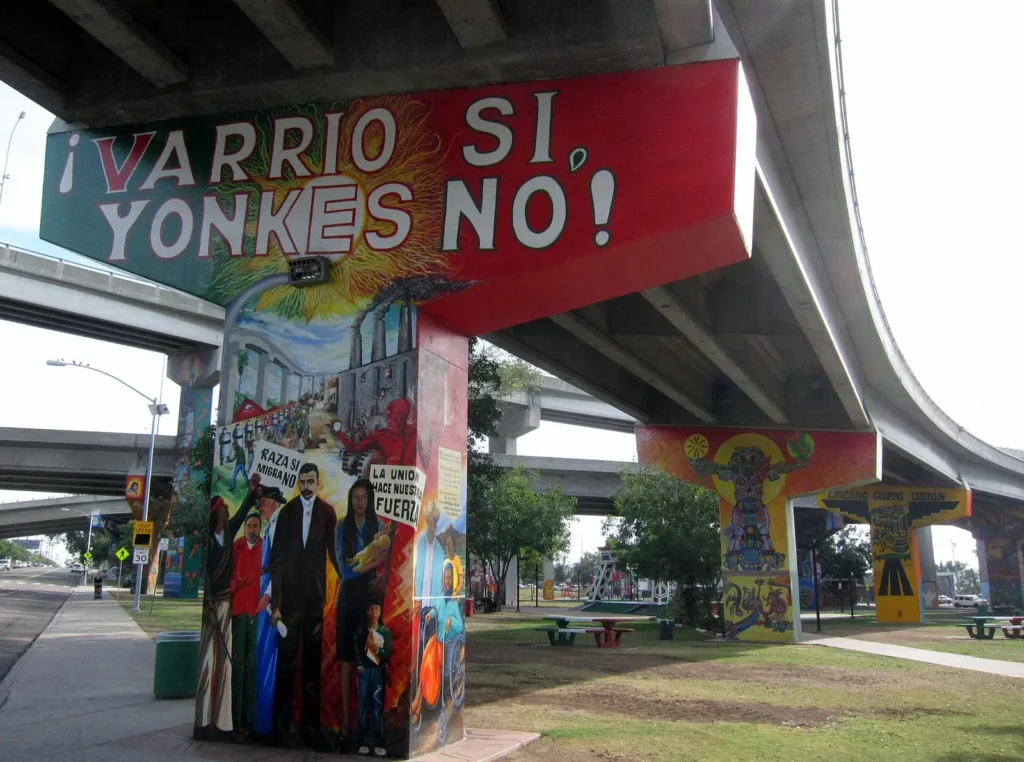
Barrio Logan is the heart of San Diego’s Chicano culture, known for galleries, Mexican restaurants and Chicano Park. The park, beneath the Coronado Bridge, holds one of the largest collections of outdoor murals in the country and is a National Historic Landmark. Regular art walks are a great time to visit.

Golden Hill and Sherman Heights
These historic neighborhoods east of downtown have Victorian homes, small restaurants and views over the city. They’re quieter than downtown and close to the east side of Balboa Park.

Mission Valley and inland neighborhoods
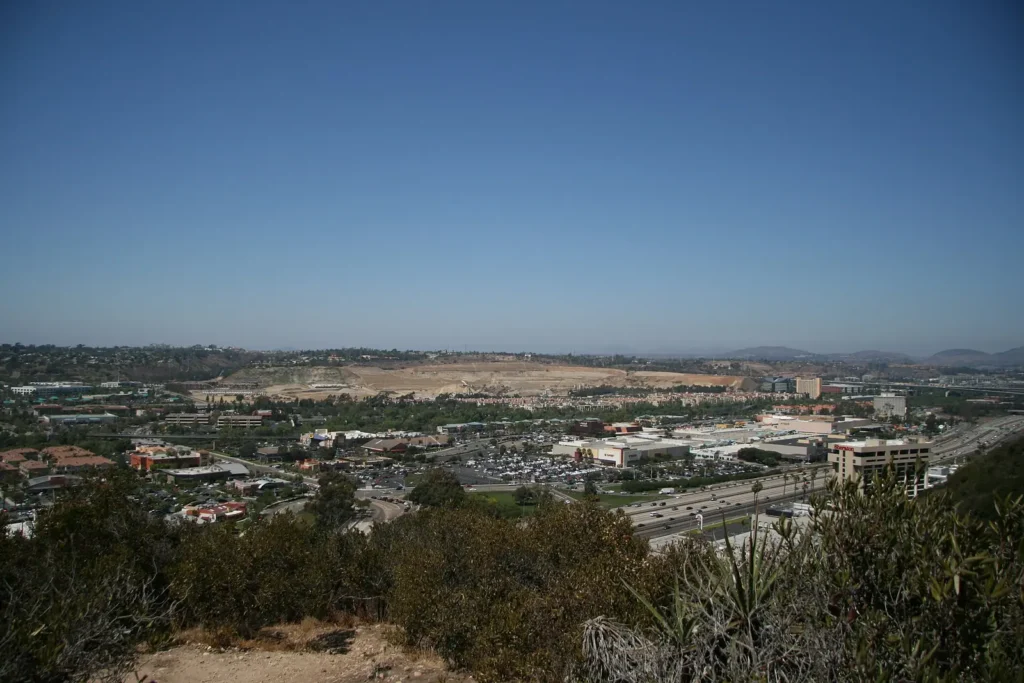
Mission Valley
Major shopping centers, many hotels, the San Diego River trail and Snapdragon Stadium, home to San Diego State football and San Diego FC.
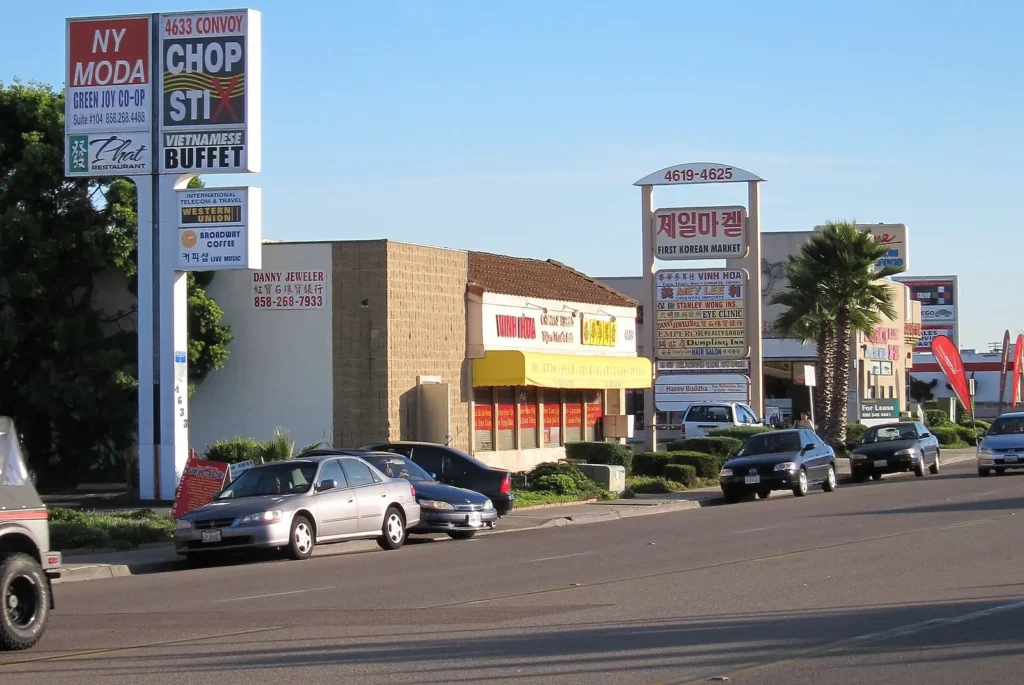
Kearny Mesa and Convoy
The Convoy District is famous for its Asian restaurants, from ramen and dim sum to Korean barbecue and boba.
City Heights
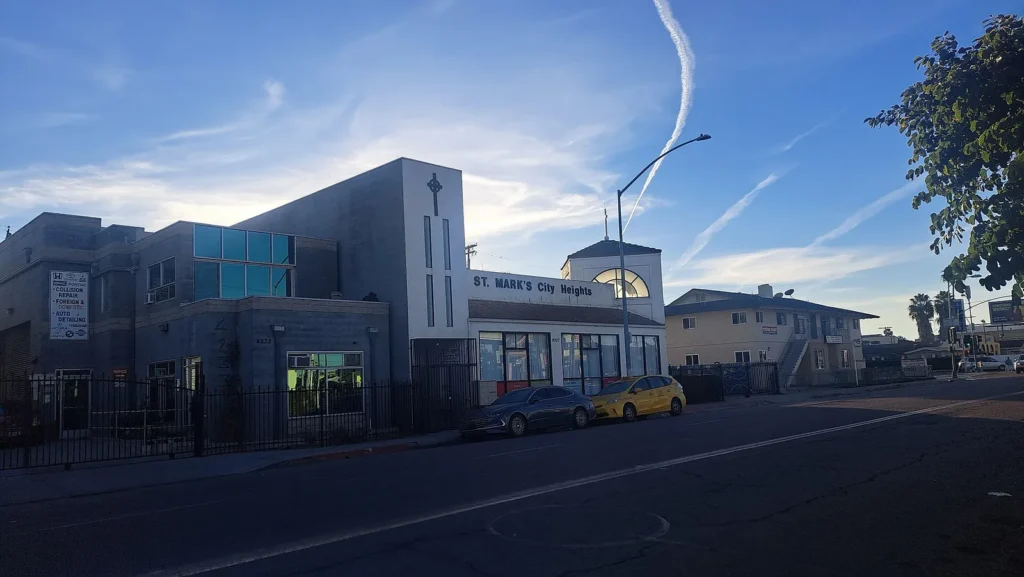
One of the most diverse neighborhoods in the city, with many immigrant communities and international restaurants.
Clairemont is a large, family-friendly residential area with views over Mission Bay, and the College Area is home to San Diego State University, with student-friendly restaurants and a Green Line trolley stop on campus.
Eating your way through Convoy
Convoy Street runs for a few miles through Kearny Mesa, with restaurants tucked into strip malls on both sides. It’s best by car or rideshare, and it’s busiest on weekend evenings. See our best restaurants in San Diego guide for more food neighborhoods.

South Bay
Chula Vista
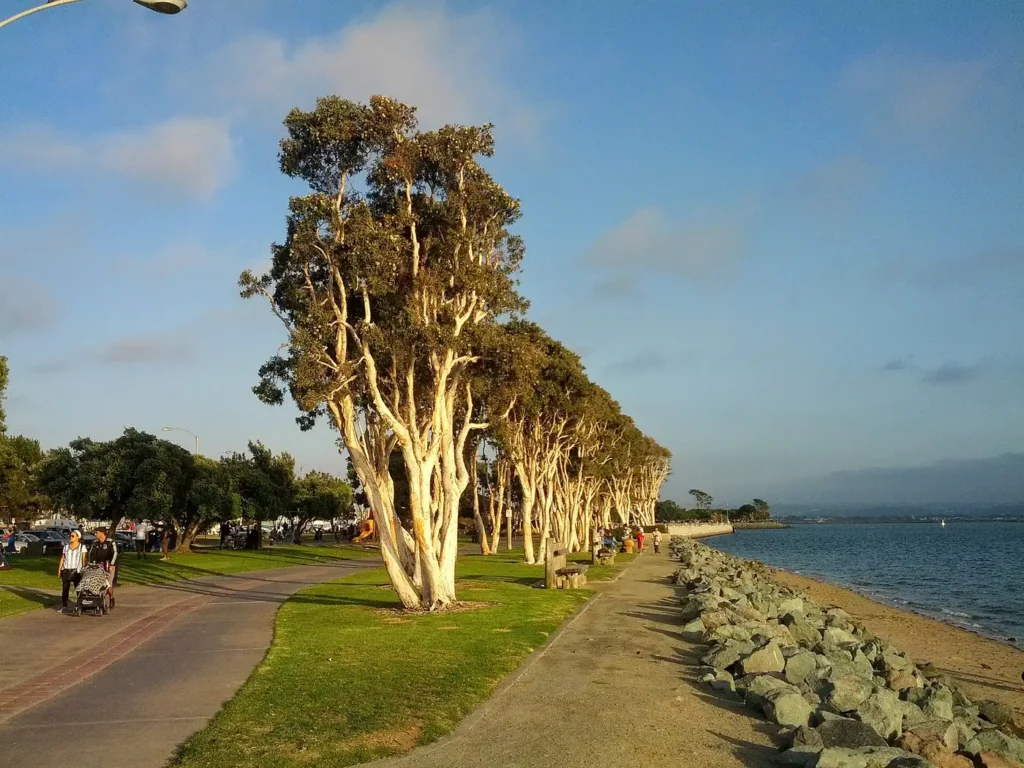
The second-largest city in the county, with growing neighborhoods, a bayfront park and a redeveloping waterfront.

National City
A historic city with a diverse community, the classic “Mile of Cars” sign and easy trolley access on the Blue Line.
Imperial Beach
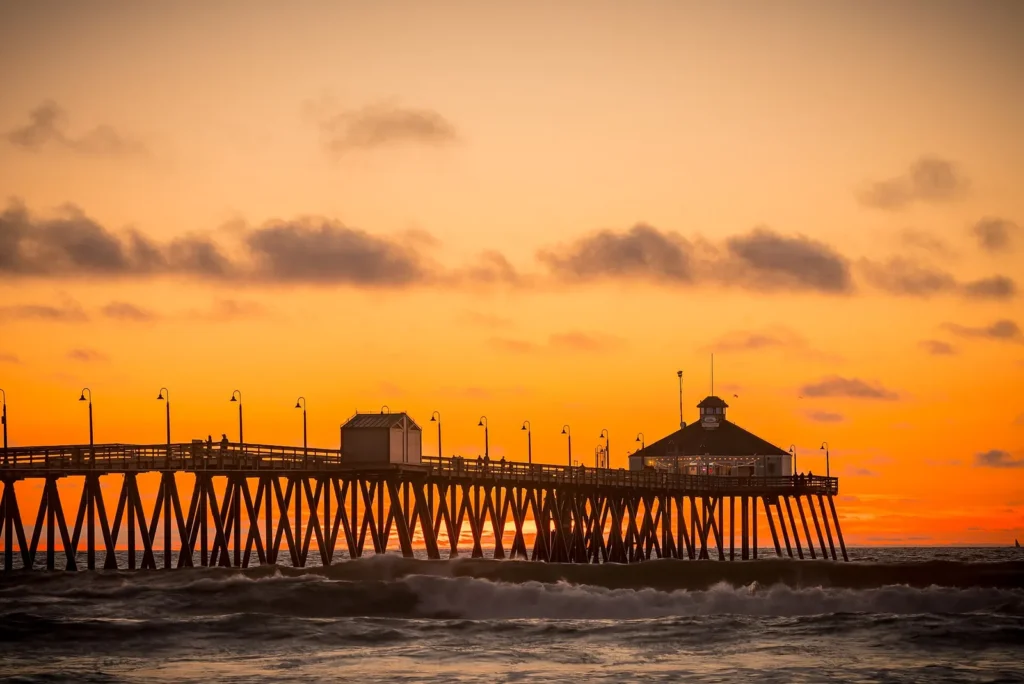
The southernmost beach town in California, with a pier and a small-town feel. The shoreline has had long closures because of sewage-polluted water, so check sdbeachinfo.com before you go in.
San Ysidro is home to one of the busiest land border crossings in the world and is the end of the trolley’s Blue Line.
North County
Del Mar
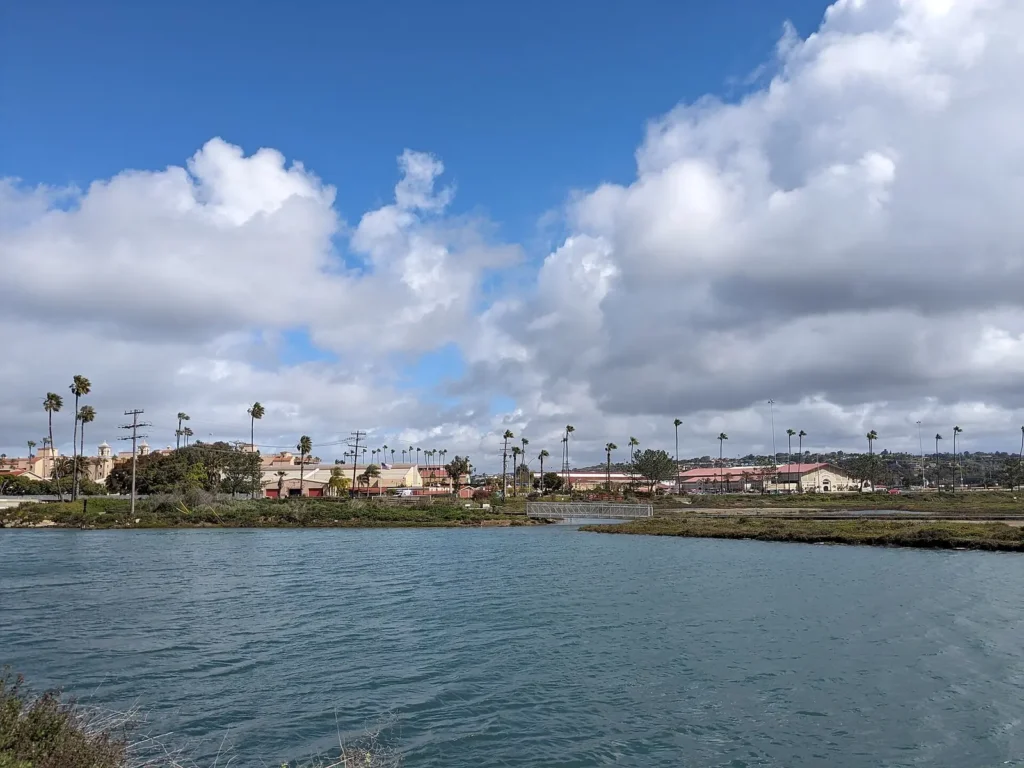
Known for its fairgrounds, the Del Mar racetrack, an upscale village and bluff-top beaches. Powerhouse Park overlooks the ocean.
Encinitas
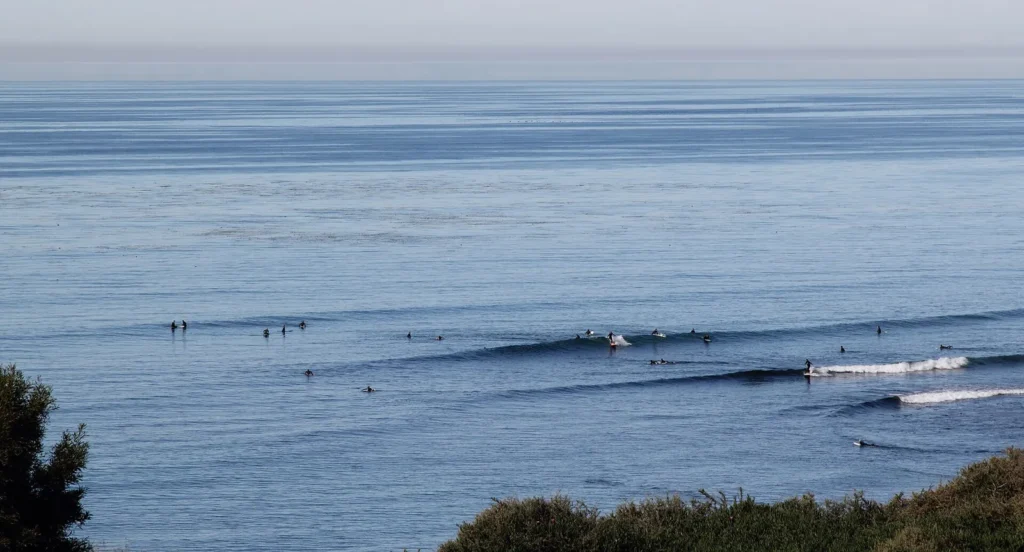
A surf town with yoga studios, cafes and Moonlight Beach. Downtown along Coast Highway 101 is walkable, and the Self-Realization Fellowship’s Meditation Gardens overlook Swami’s.
Carlsbad
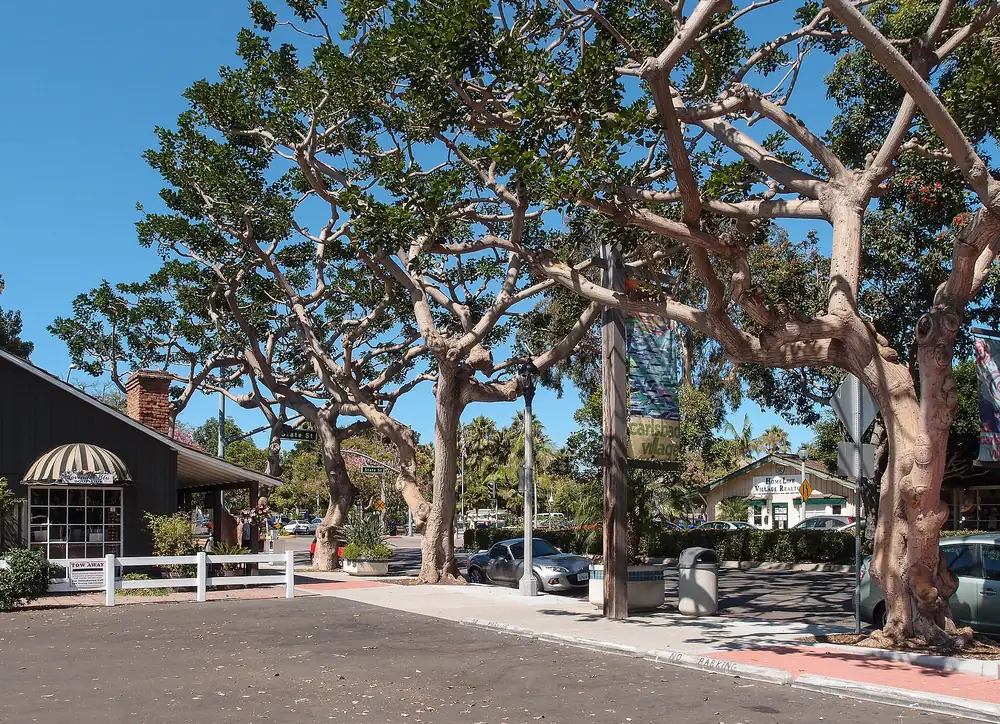
Home to Legoland, the Flower Fields (which bloom in spring), a walkable village near the Coaster station and long stretches of state beach.

Oceanside
A beach city with one of the longest wooden piers on the West Coast, a busy harbor and a lively downtown near the transit center.
Inland, Escondido is home to the San Diego Zoo Safari Park, a historic downtown on Grand Avenue and several well-known breweries. The Coaster connects the coastal towns with downtown San Diego; see getting around San Diego.
Escondido
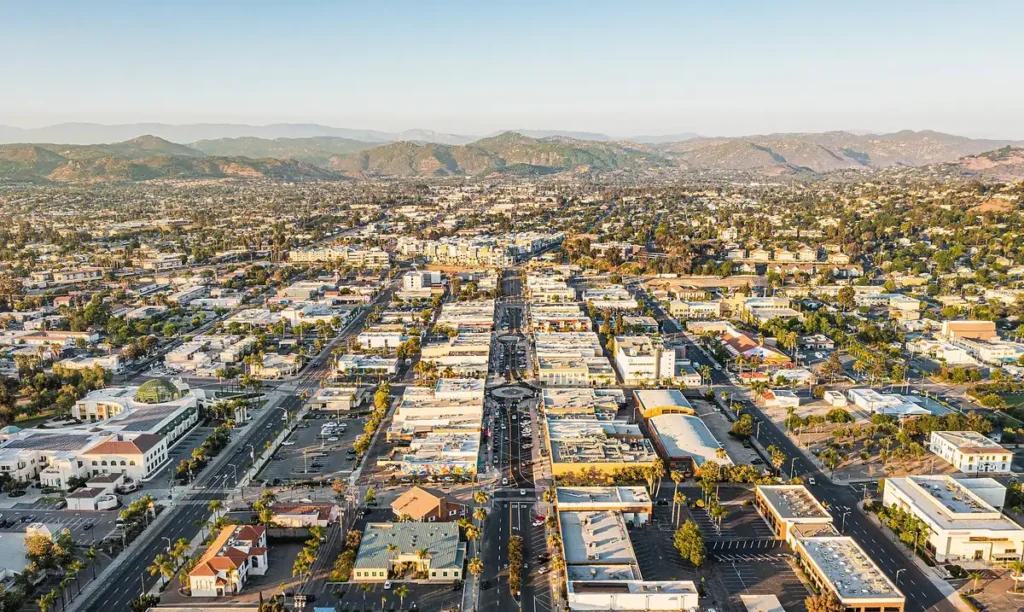
Escondido’s Grand Avenue has antique shops, restaurants and a historic theater, and the surrounding valleys hold farms, wineries and the Safari Park. It’s about 30 to 45 minutes north of downtown San Diego by car, depending on traffic.
East County
- La Mesa: La Mesa Village is a walkable downtown with local shops, restaurants and a Friday farmers market, served by the Orange Line trolley.
- El Cajon and Santee: Inland communities with lower housing costs, parks and access to Mission Trails Regional Park.
- Julian: A historic mountain town about an hour and a half from downtown, known for apple pie, cider and autumn apple season.
Visiting Julian
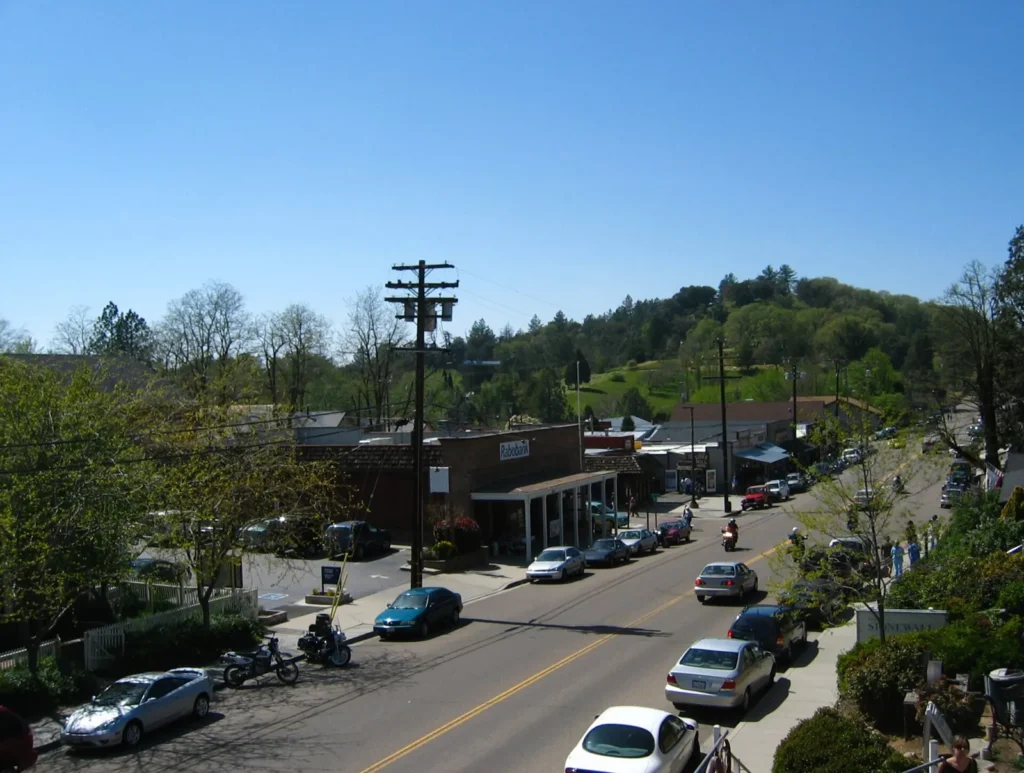
Julian began as a gold-mining town in the 1870s and still has a historic Main Street of wooden storefronts. It’s busiest on fall weekends, and it occasionally gets snow in winter. Drive carefully on the winding mountain roads, and check conditions before you go.
A brief history of San Diego’s neighborhoods
The Kumeyaay people lived throughout the region for thousands of years before Spanish explorers arrived. In 1769, the Spanish established a presidio and mission on the hill above today’s Old Town. The town grew at the base of the hill during the Mexican era and early statehood.
In the 1860s and 1870s, developer Alonzo Horton bought land closer to the bay and promoted a “New Town,” which became today’s downtown and the Gaslamp Quarter. The 1915–16 Panama-California Exposition in Balboa Park spurred growth in nearby uptown neighborhoods like Hillcrest, North Park and Mission Hills, where streetcar lines made commuting possible.
The Navy’s growing presence in the 20th century shaped Point Loma, Coronado and the waterfront. Freeways and postwar growth then spread development into Mission Valley, Clairemont and beyond. In recent decades, revitalization has transformed areas like East Village, Little Italy and Liberty Station.
Exploring neighborhoods like a local
Local tips
- Join a walking tour in the Gaslamp, Old Town, Little Italy or Balboa Park to learn about history and architecture.
- Visit a farmers market in Little Italy, Hillcrest, Ocean Beach, La Jolla or North Park for a window into neighborhood life.
- Go to an art walk in North Park, Barrio Logan or Liberty Station, where galleries, music and food come together.
- Eat local: every neighborhood has its own favorite taco shop, coffee shop and brewery, so ask locals for recommendations.
- Explore on foot or by bike: many neighborhoods are compact and best explored slowly.
Neighborhoods by interest
| Interest | Best neighborhoods | Read more |
|---|---|---|
| Food | Little Italy, North Park, Convoy, Barrio Logan | Best restaurants |
| Nightlife | Gaslamp, North Park, Hillcrest, Pacific Beach | Nightlife guide |
| Beaches | La Jolla, Pacific Beach, Ocean Beach, Coronado | Beaches guide |
| History | Old Town, Gaslamp, Point Loma | Attractions |
| Families | Coronado, Mission Bay, Carlsbad | Family vacation |
| Art and culture | Balboa Park, Barrio Logan, Liberty Station | Things to do |
| Quiet stays | South Park, Coronado, Point Loma | Where to stay |
Choosing a neighborhood to stay in
Your base affects your whole trip. Downtown is the most convenient for first-timers, with the trolley, airport and waterfront close by, while beach neighborhoods suit those who want sand and surf on their doorstep. See where to stay in San Diego for a detailed comparison.
Choosing a neighborhood to live in
If you’re relocating, consider commute times, schools, budget and lifestyle. Living near the trolley can make commuting easier, while many suburbs depend on cars. See living in San Diego and our best neighborhoods in San Diego guide.
Day trips from San Diego

Temecula Wine Country
About an hour north by car, with dozens of wineries and a walkable Old Town.
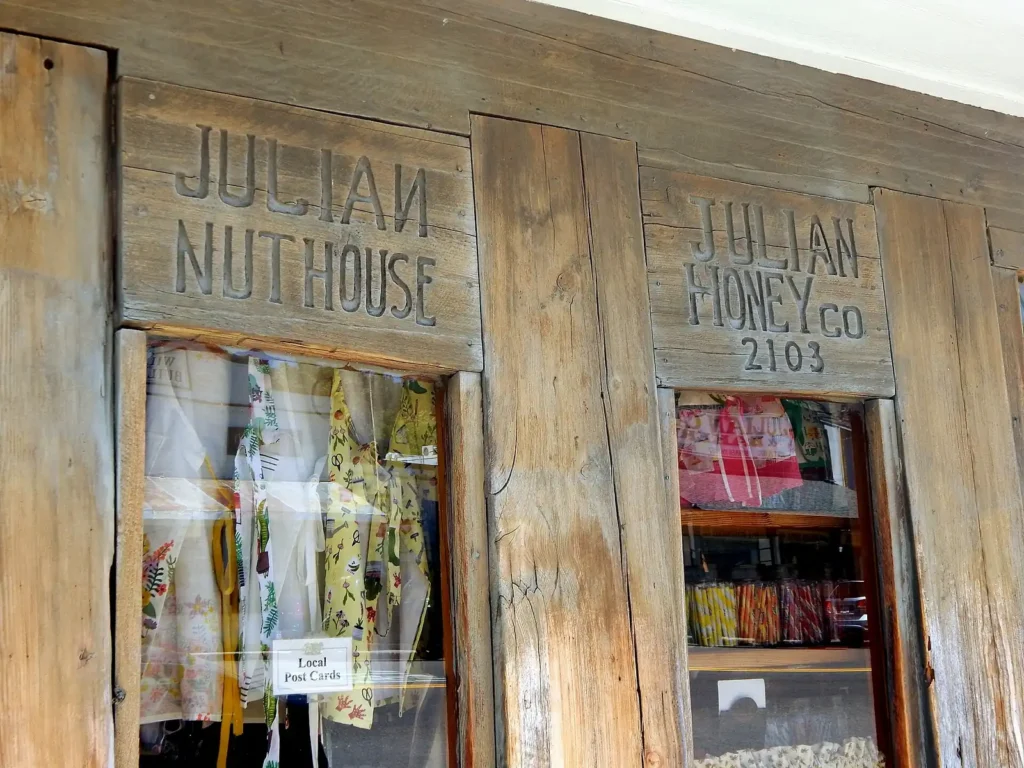
Julian and the mountains
Mountain charm, apple pie, hiking and occasional winter snow.
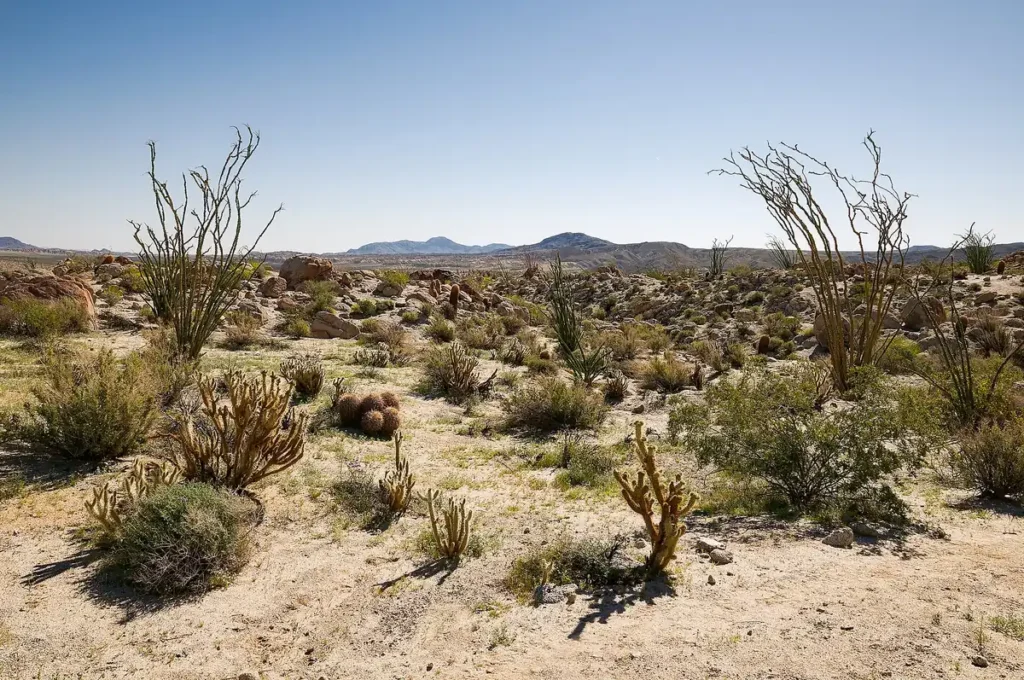
Anza-Borrego Desert State Park
Desert landscapes, metal sculptures and spring wildflowers after wet winters.
Los Angeles and Orange County are reachable by car or the Amtrak Pacific Surfliner. Across the border in Baja California are Tijuana, Rosarito, Ensenada and the Valle de Guadalupe wine region.
Visiting Tijuana
- Getting there: Take the trolley’s Blue Line to San Ysidro and walk across, or drive.
- Documents: Bring a valid passport or other approved travel document to return to the U.S. Check U.S. Department of State requirements and travel advisories.
- Return wait times: Border waits can be long, especially on weekends and holidays. Check CBP wait times before you head back.
- Tips: Carry ID at all times, use official taxis or rideshare, and don’t bring prohibited items back.
See our getting around San Diego guide for more on crossing the border.
Neighborhood safety
Most neighborhoods visitors frequent are generally safe, but like any city, use common sense: lock your car, keep valuables out of sight and stay aware at night. See is San Diego safe for more.
Frequently asked questions
What is the best neighborhood to visit in San Diego?
It depends on your interests. The Gaslamp and Little Italy are great for food and nightlife, while La Jolla and Coronado are best for coastal scenery.
Which San Diego neighborhoods are walkable?
Downtown, Little Italy, North Park, Hillcrest, Ocean Beach, La Jolla Village and Coronado are all walkable.
Is Coronado part of San Diego?
Coronado is a separate city within San Diego County.
What is the most diverse neighborhood in San Diego?
City Heights is known as one of the most diverse neighborhoods in the city.
Can you visit Tijuana from San Diego in a day?
Yes. Many visitors walk across the border at San Ysidro for a day trip. Bring a valid passport or approved document to return.
Which San Diego neighborhood has the best food?
Little Italy, North Park and the Convoy District are top food neighborhoods, each with a different style.
What is the quietest neighborhood to visit?
South Park, Coronado and Point Loma move at a slower pace than downtown or Pacific Beach.
What neighborhood is best for first-time visitors?
Downtown, including Little Italy and the Embarcadero, is the most convenient base for first-time visitors.
More guides
- Best Neighborhoods in San Diego (For Visitors and Residents)
- Is San Diego Safe? A Neighborhood-by-Neighborhood Look
- Best Hotels in San Diego by Neighborhood and Budget
Photo credits
Featured image: Redideo / Wikimedia Commons, CC BY 4.0; Gaslamp Quarter: Bernard Gagnon / Wikimedia Commons, CC BY-SA 3.0; East Village: Mountain Mike Johans… / Wikimedia Commons, CC BY 3.0; Little Italy: Roman Eugeniusz / Wikimedia Commons, CC BY-SA 3.0; Embarcadero and Marina District: Misaochan / Wikimedia Commons, CC BY-SA 3.0; Hillcrest: bahniuk / Wikimedia Commons, CC BY 3.0; North Park: Mountain Mike Johans… / Wikimedia Commons, CC BY 3.0; South Park: Coastside / Wikimedia Commons, CC BY-SA 4.0; Mission Hills: Keizers / Wikimedia Commons, CC BY-SA 4.0; Bankers Hill: Alfred Twu / Wikimedia Commons, CC0; La Jolla: Zongxianglee / Wikimedia Commons, CC BY 4.0; Pacific Beach: Hombre del rio / Wikimedia Commons, CC BY-SA 4.0; Mission Beach: rvd5star / Wikimedia Commons, CC BY 3.0; Ocean Beach: RightCowLeftCoast / Wikimedia Commons, CC BY-SA 4.0; The view across the bay from Cabrillo National Monument on Point Loma: Visitor7 / Wikimedia Commons, CC BY-SA 3.0; Historic buildings and walkways at Liberty Station: Alan Islas / Wikimedia Commons, CC BY-SA 4.0; Palm-lined lawns on Shelter Island: taeoakley / Wikimedia Commons, CC BY-SA 3.0; Coronado: GB11111 / Wikimedia Commons, CC BY-SA 4.0; Old Town: Epukas / Wikimedia Commons (public domain); Barrio Logan: Rpotance / Wikimedia Commons, CC BY-SA 4.0; The Junípero Serra Museum in Presidio Park, near the site of the 1769 presidio: JERRYE AND ROY KLOTZ MD / Wikimedia Commons, CC BY-SA 3.0; Colorful murals on the freeway pillars in Barrio Logan: Roman Eugeniusz / Wikimedia Commons, CC BY-SA 3.0; Mission Valley: Lrtman / Wikimedia Commons (public domain); Kearny Mesa and Convoy: Jamie Lantzy / Wikimedia Commons, CC BY-SA 3.0; City Heights: Kire1975 / Wikimedia Commons, CC0; Eating your way through Convoy: Mark Yasuda / Wikimedia Commons, CC BY-SA 4.0; Chula Vista: Ryuch / Wikimedia Commons, CC BY-SA 4.0; National City: Roman Eugeniusz / Wikimedia Commons, CC BY-SA 3.0; Imperial Beach: Stephen Bay / Wikimedia Commons, CC BY 4.0; Del Mar: Mds08011 / Wikimedia Commons, CC BY 4.0; Encinitas: Mikefairbanks / Wikimedia Commons, CC BY-SA 3.0; Carlsbad: Tuxyso / Wikimedia Commons, CC BY-SA 3.0; Oceanside: User Bill Newman / Wikimedia Commons (public domain); Escondido: CaliforniaUrbanist / Wikimedia Commons, CC BY-SA 4.0; Visiting Julian: –Microsomen 17:11, 31 May 2005 (UTC) / Wikimedia Commons, CC BY 2.0; Temecula Wine Country: Liam Hughes / Wikimedia Commons, CC BY 2.0; Julian and the mountains: Seauton / Wikimedia Commons, CC BY-SA 4.0; Anza-Borrego Desert State Park: Laurens R. Krol / Wikimedia Commons, CC BY 4.0.