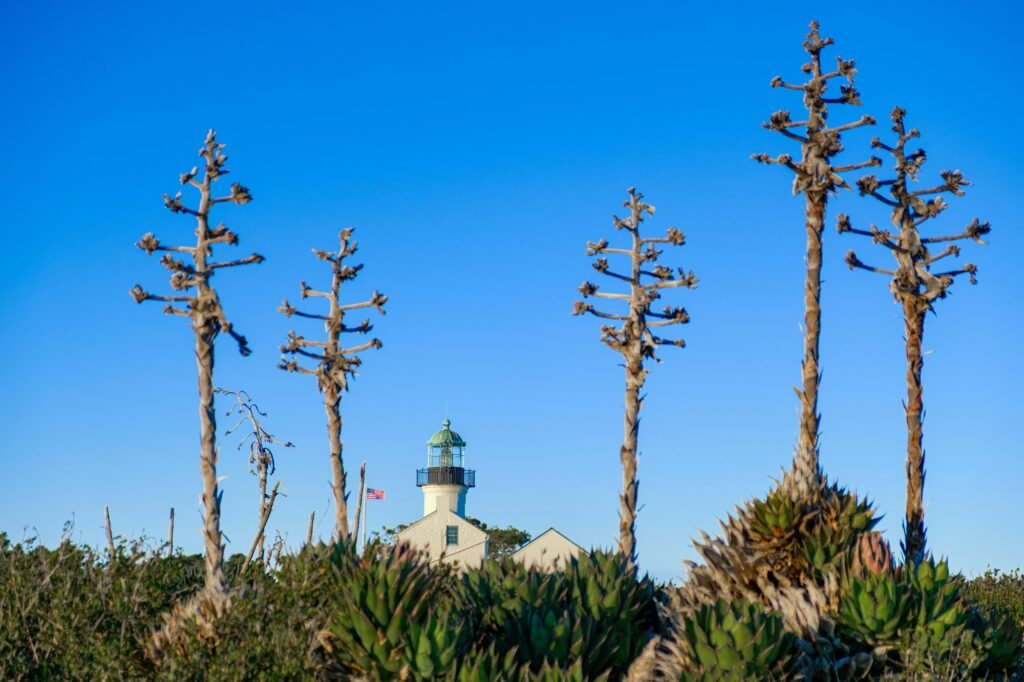
San Diego weather in March is mild and mostly dry, with average highs around 67°F and lows near 54.5°F at the airport. The month gets about 1.46 inches of rain spread over six or so wet days, and the ocean stays cool, in the upper 50s to about 60°F. It’s a strong month for hiking, whale watching and desert wildflowers, and a weak one for swimming unless you bring a wetsuit.
The numbers here are NOAA’s 1991 to 2020 climate normals for San Diego International Airport, the city’s official weather station on the bay. Any single March can run warmer, cooler, wetter or drier, so treat them as a guide to what’s typical.
How warm is San Diego in March?
Expect light-sweater weather by the water. The average March high at the airport is about 67°F and the average low is about 54.5°F. Afternoons are less than a degree warmer than February, but nights are nearly three degrees milder, which you notice when you’re eating dinner outside.
Here’s how March compares with the months on either side.
| Month | Avg. high | Avg. low | Avg. rain | Days with rain |
|---|---|---|---|---|
| February | 66.2°F | 51.8°F | 2.20 in. | 7.1 |
| March | 67.0°F | 54.5°F | 1.46 in. | 6.2 |
| April | 68.8°F | 57.1°F | 0.65 in. | 3.8 |
If you’re deciding between late winter and early spring, our San Diego February weather guide covers the wetter month before.
Is it warmer inland or at the coast in March?
Inland gets warmer by day and colder at night. The airport sits right on the bay, so its numbers describe the coast. In El Cajon, Escondido and Santee the daily swing is wider. A warm, dry spell in March can push inland highs into the 80s for a day or two while the beaches stay in the 70s.
Up in the mountains around Julian and Mount Laguna, March nights can still dip below freezing, and a late storm can leave snow. If you’re driving up, check road conditions first and bring a real jacket.
How much does it rain in San Diego in March?
Not much, but more than you’d guess for Southern California. San Diego gets most of its rain from November through March, and March is the tail end. The normal total is about 1.46 inches over roughly six days with measurable rain. In practice that usually means a couple of storms that each bring a day or two of showers, then clear, fresh weather.
Some Marches are nearly dry and others are soaked, so check the National Weather Service San Diego forecast the week before you travel. If a storm does roll through, make it a museum day. Our Balboa Park guide covers the museums, which make an easy rainy-day base.
What are the clear days after a March storm like?
They’re some of the best days of the year. March often brings breezy afternoons, especially right after a storm passes. The air is washed clean, the mountains to the east can show snow on top, and on a sharp day you can pick out the Coronado Islands off the coast from Point Loma.
Use a day like that for a viewpoint: Mount Soledad in La Jolla, Cabrillo National Monument, or the summit of Cowles Mountain in Mission Trails Regional Park. Wind makes the coast feel colder than the thermometer says, so keep a layer in your bag.
Can you swim in the ocean in March?
Most visitors won’t want to stay in long. The ocean is near its coldest in late winter and early spring, usually in the upper 50s to about 60°F along the San Diego coast in March. That’s fine for wading and fine for surfers in full wetsuits, but chilly for a real swim. A heated hotel pool is the comfortable option.
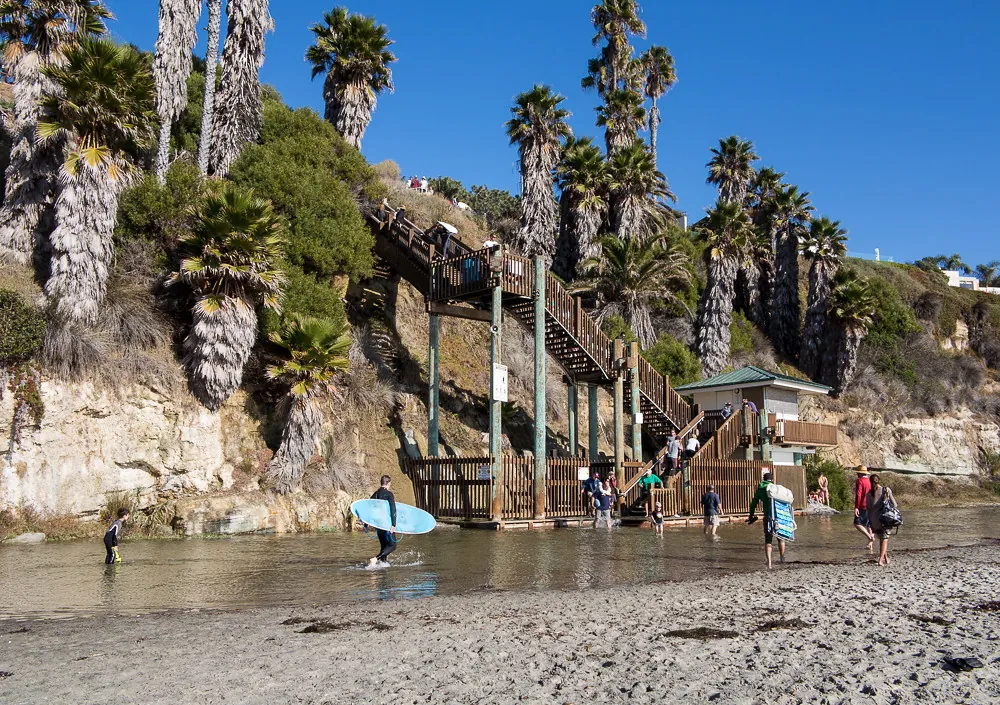
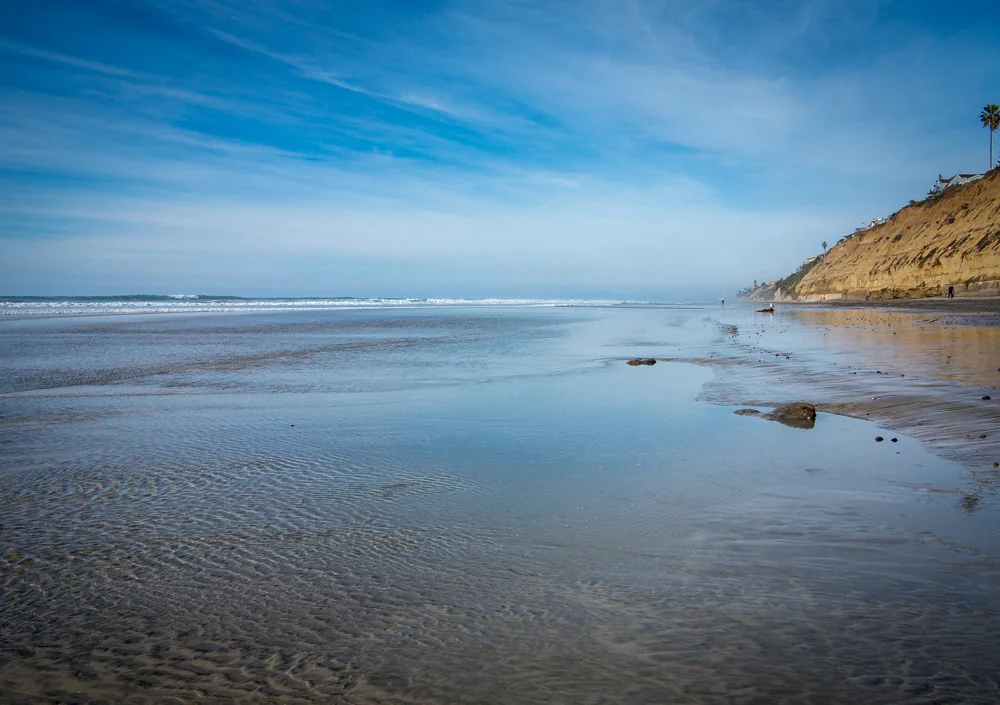
Beach days still happen. On a sunny afternoon you can sit on the sand at La Jolla Shores, Coronado or Pacific Beach in a T-shirt, especially out of the wind, then pull on a sweatshirt when the sun drops. If the beach is the point of your trip, our guide to the best beaches in San Diego helps you choose one by mood and crowd level.
When does daylight saving time start in March 2027?
On Sunday, March 14, 2027, the second Sunday of the month. Before the change, the sun sets a little before 6 p.m. Afterward sunset jumps to around 7 p.m., and by the end of March you get long, light evenings for dinner on a patio or a walk at Sunset Cliffs.
What should you pack for San Diego in March?
Pack layers. Most days start cool, warm up by midday and cool off fast once the sun goes down or the fog moves in. This list covers a typical week:
- Jeans or light pants, plus shorts for warm afternoons
- T-shirts and a long-sleeve shirt or two
- A sweater, fleece or light jacket for mornings and evenings
- A light rain shell, since March still gets a few wet days
- A swimsuit for a hotel pool or a warm spell
- Comfortable walking shoes and a pair of sandals
- Sunscreen and sunglasses, because the sun is strong even when the air feels cool
- A warm jacket and closed shoes for the mountains or the desert at night
Is March good for whale watching in San Diego?
Yes. Gray whales pass the San Diego coast from winter into spring on their migration between Alaska and the lagoons of Baja California. By March more of them are heading north, often with calves. Whale-watching boats leave from San Diego Bay and Mission Bay, and you can scan from shore at the whale overlook at Cabrillo National Monument.
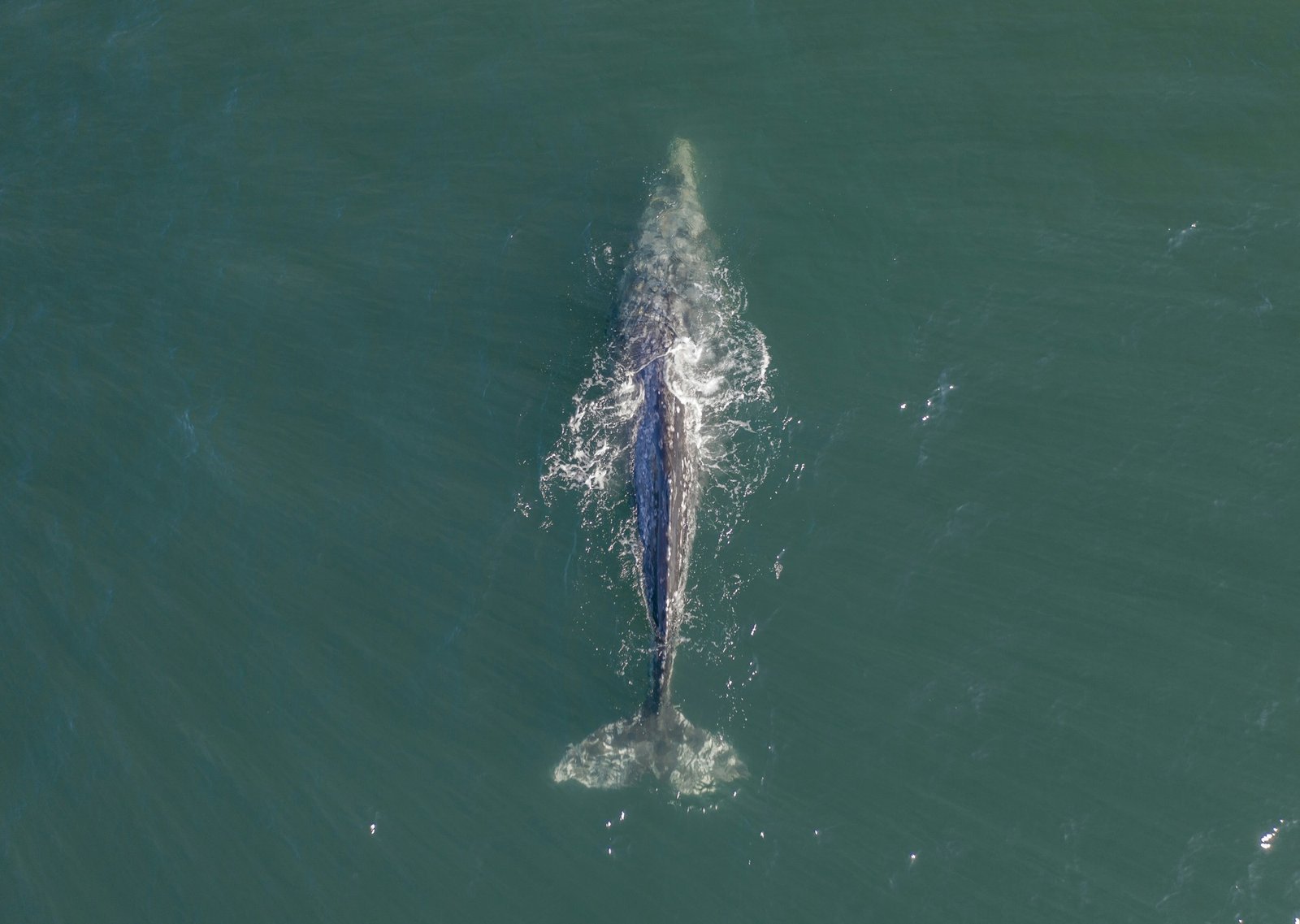
The National Park Service whale-watching page explains the season and where to look from the point. For boat options, see our San Diego whale watching guide.
Where can you see wildflowers in March?
Head to the desert after a wet winter, or to Carlsbad any year. Anza-Borrego Desert State Park in eastern San Diego County can put on a big wildflower show in late winter and early spring. Every year is different, and some years the bloom is thin, so check the state park’s page for conditions before making the drive, which takes about two hours from downtown.
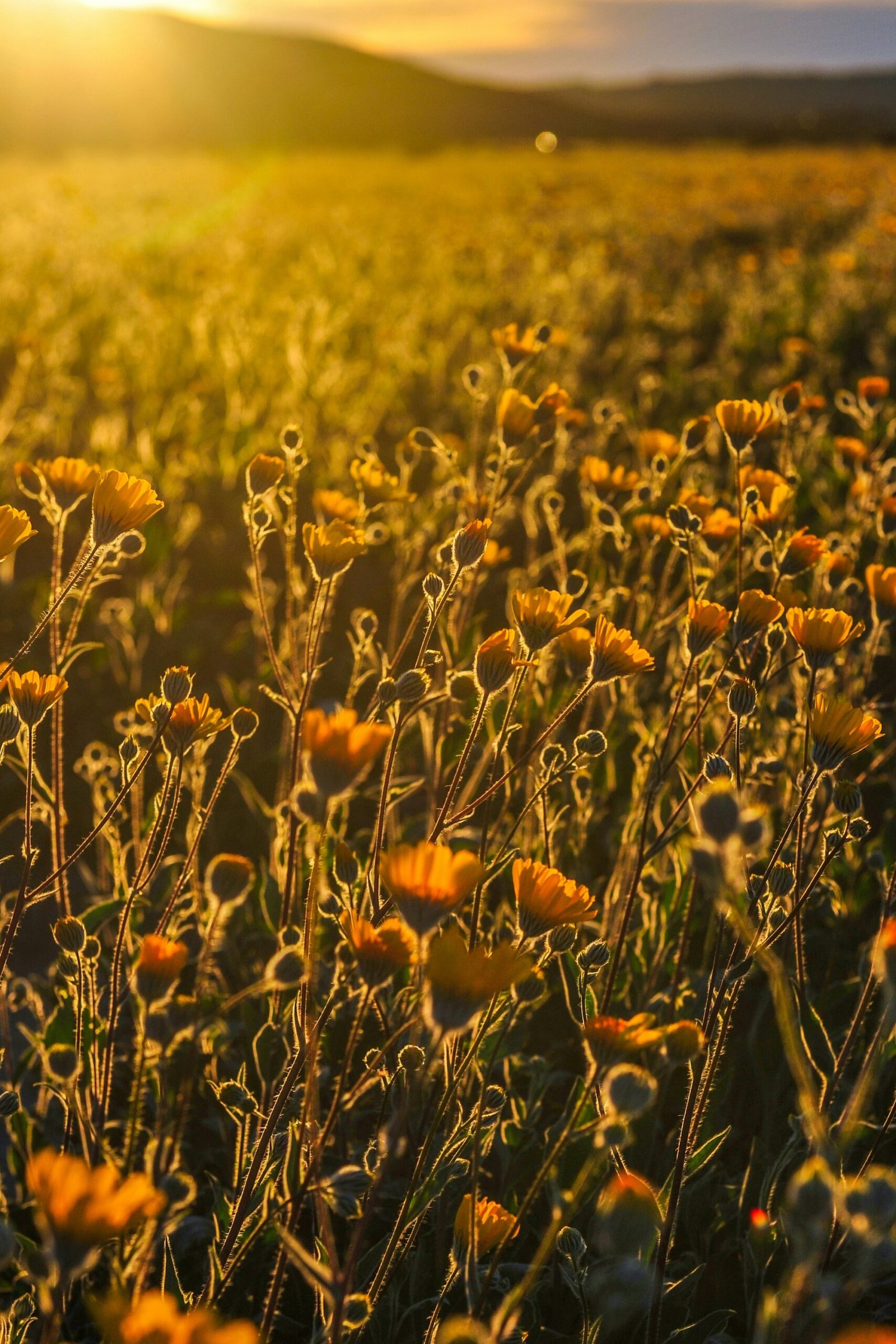
Closer to the coast, The Flower Fields in Carlsbad usually opens its spring season around early March, when the hillsides of ranunculus start to bloom. Dates change each year, so confirm on the farm’s site before you go.

What are the best things to do in San Diego in March?
Plan around the outdoors, since the weather favors it. Green hills after the winter rain make March one of the prettiest months for hiking. The Torrey Pines State Natural Reserve trails, Cowles Mountain and the Iron Mountain trail in Poway all look their best now, before the summer heat dries everything out. Start early on weekends, because trailhead parking fills fast on nice days.
March also suits a road trip. A day in the desert at Borrego Springs pairs well with a night of stargazing, and Julian is an easy mountain drive for apple pie and a walk through town. On the coast, tide pooling at Cabrillo National Monument and La Jolla is worth timing for a low tide, which you can look up in any tide table before you go.
For a rainy or windy day, the museums and gardens of Balboa Park, the USS Midway Museum and Birch Aquarium at Scripps all keep you mostly out of the weather.
Is San Diego crowded in March?
Only during spring break weeks. School breaks start in March and run into April, and on those weeks beaches, theme parks and hotels fill up, especially in Pacific Beach, Mission Beach and around LEGOLAND in Carlsbad. Book rooms early and leave extra time for parking. Outside those weeks, March is calmer and often cheaper than summer.
Still choosing a month? Our San Diego weather by month page shows how March stacks up against the rest of the year.
Frequently asked questions
Is March a good time to visit San Diego?
For most people, yes. Highs are usually in the upper 60s, rain is less frequent than in January and February, and hotel prices are often lower than in summer. Spring break weeks are the exception.
Is it warm enough to swim in San Diego in March?
Not for long. The ocean usually runs in the upper 50s to around 60°F, so surfers wear full wetsuits and most visitors stick to a heated pool.
How rainy is San Diego in March?
The long-term average is about 1.46 inches at the airport, over roughly six days with measurable rain. Most days are dry, but pack a light rain jacket.
What should I wear in San Diego in March?
T-shirts with pants or shorts for the day, plus a sweater or light jacket for mornings and evenings. Add a warm coat if you’ll be in the mountains or desert after dark.
Photo credits
Featured image: April Vasquez / Unsplash; Gray whale: Dan Meyers / Unsplash; Desert wildflowers: Zetong Li / Unsplash; The Flower Fields: Allie / Pexels.