The San Diego Zoo Safari Park is a full-day trip to Escondido, about 35 miles northeast of downtown. A 1-Day Pass costs $78 for adults and $68 for kids 3 to 11 and includes the Africa Tram, general parking is $20, and the park covers roughly 1,800 acres of open savanna habitats in the San Pasqual Valley. Get there at opening, ride the tram first, and plan to stay until late afternoon.
It’s a very different day from the city zoo. Instead of compact habitats along shady canyon paths, you get wide field enclosures where giraffes, rhinos and antelope roam together in mixed herds. If you’re still deciding between the two, our Zoo vs. Safari Park comparison lays out the differences, and our San Diego Zoo guide covers the Balboa Park side.
Why does the Safari Park take a whole day?
Distance and size. The park’s own guidance is to allow 45 minutes to an hour to drive from the zoo in Balboa Park, and Interstate 15 can be slower at rush hour. Once you’re inside, the main walking loop has real hills, and the big areas (the African Plains overlooks, Tiger Trail, Lion Camp, Walkabout Australia and Gorilla Forest) are spread across the property.
Most visitors arrive at opening, eat lunch in the park and leave in the late afternoon. Trying to squeeze it into a morning usually means skipping half of it.
How much are Safari Park tickets?
These are the prices on the official Safari Park ticket page as of November 2026.
| Ticket | Adult (12+) | Child (3 to 11) | What it covers |
|---|---|---|---|
| 1-Day Pass, any day | $78 | $68 | One visit, Africa Tram included |
| 1-Day Pass, Value Days | $73 | $63 | Online only, in advance, select dates |
| 2-Visit Pass | $130 | $120 | Two visits to either park, or one to each |
| Membership | From $99 per person | A year at both parks | |
The 2-Visit Pass is the cheapest way to see both the zoo and the Safari Park, on separate days. Membership covers a year of visits to both, and since January 2026 it includes free Safari Park parking for adult members. San Diego CityPASS (from $169 per adult) and Go City also include the park. Prices change, so check before you buy.
Are the upgraded safaris worth it?
If getting close to the animals is the point of your trip, they can be. The park sells extra-cost guided experiences, including caravan-style truck tours into the field enclosures, where you’ll be much nearer the herds than on the tram. They sell out on busy days and have age and height rules, so book ahead if one is on your list. For most first-time visitors, the included tram plus the walking paths is plenty.
What are the Safari Park hours?
Hours change by season. In November 2026 the park was open 9 a.m. to 5 p.m. During the holidays it runs Wild Holidays on select nights, listed for November 28 and 29, December 18 to 23, and December 26 to January 3, with later hours on those evenings. The plan-your-visit page shows the hours for any date.
How do you get to the Safari Park, and what does parking cost?
Drive if you can. The address is 15500 San Pasqual Valley Road, Escondido. From downtown San Diego, take State Route 163 to Interstate 15 north, exit at Via Rancho Parkway, then follow the signs east. From Los Angeles and Orange County, I-15 is usually the most direct route.
General parking is $20 per vehicle per day, oversized vehicles pay $55, and preferred parking starts at $45. It’s first come, first served with no in-and-out privileges, so bring everything you need before you head in.
Transit works but is slow from the coast. North County Transit District buses connect the park with the Escondido Transit Center, and the Sprinter train runs to Escondido from Oceanside. Check NCTD schedules before relying on it, especially for the ride home.
What is the Africa Tram?
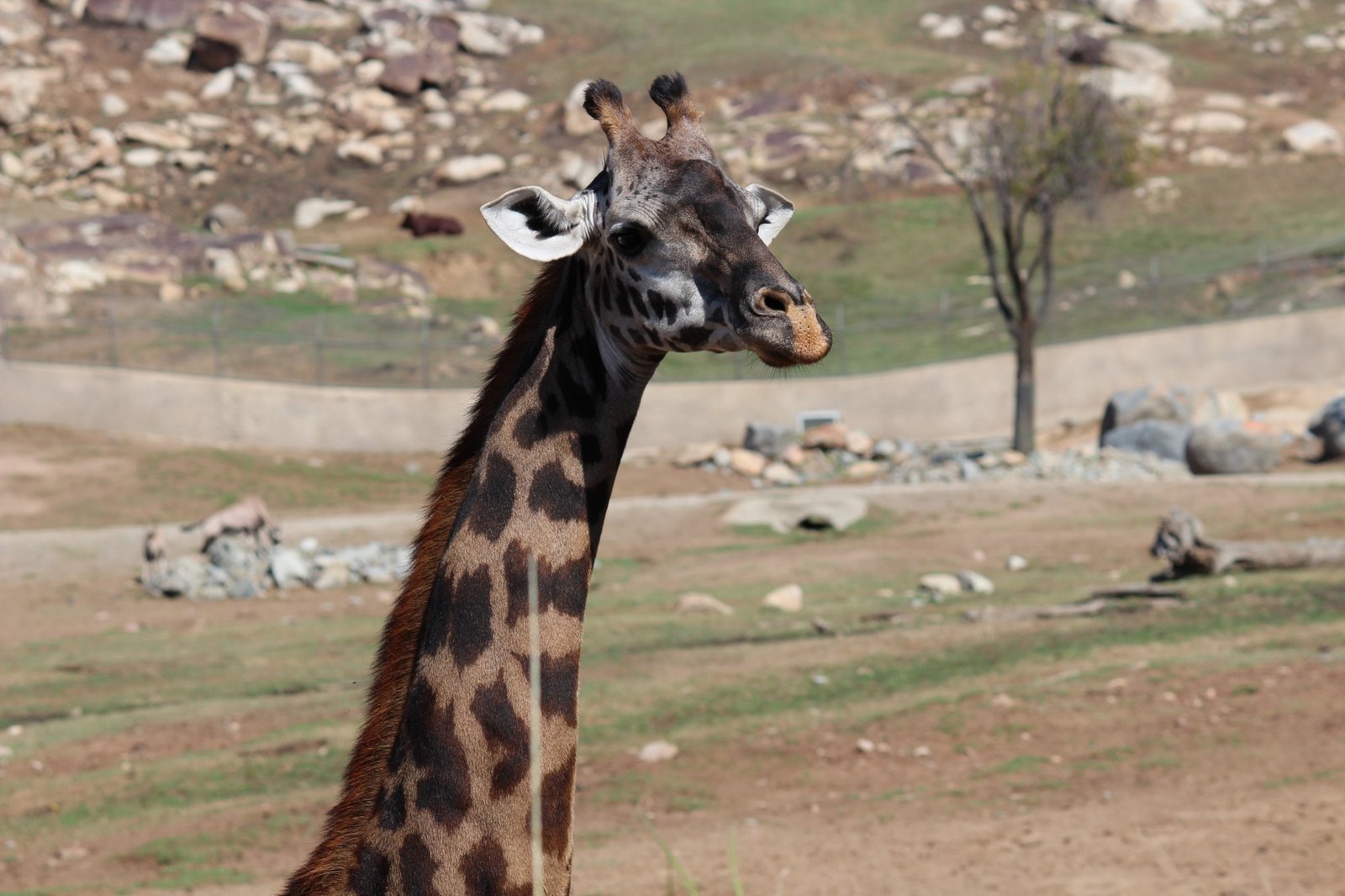
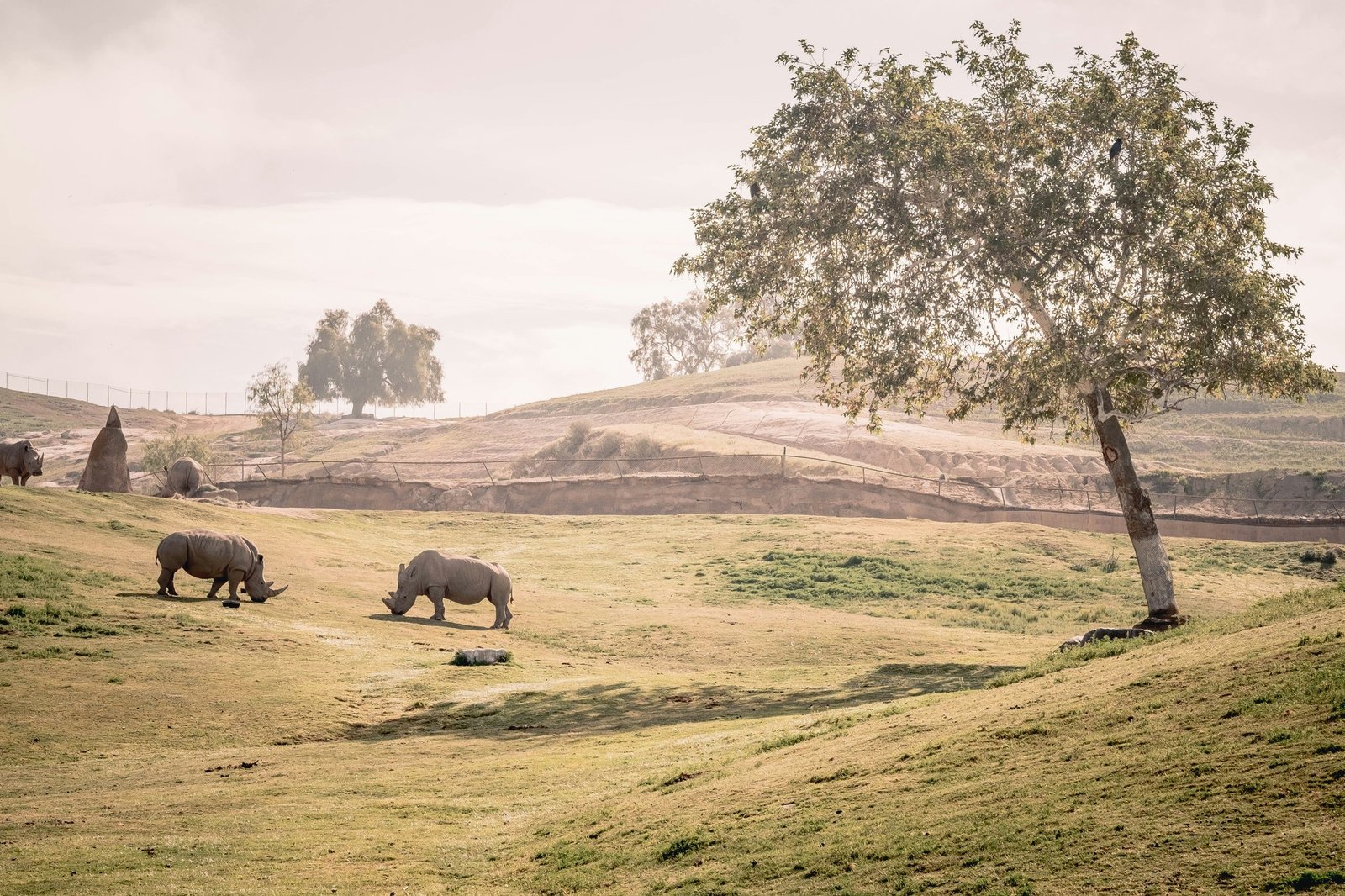
It’s the park’s signature ride and it’s included with admission. The open-air tram loops through the large African field enclosures while a guide narrates. You’ll usually see giraffes, rhinos, antelope and big birds sharing the same space, which is the whole idea of this park. Lines grow by late morning, so ride it first.
What should you see on foot?
The walking side is just as good as the tram. These are the highlights most people build their day around:
- Tiger Trail, with Sumatran tigers in a forest setting.
- Lion Camp, where a long glass viewing wall lets you watch the pride up close.
- Gorilla Forest, home to a troop of western lowland gorillas.
- Walkabout Australia, with kangaroos, wallabies and other Australian animals.
- Condor Ridge, which tells the story of the California condor, a species the park has helped bring back from the brink.
- The elephant habitat, where you can watch the herd from overlooks.

Animals are most active in the morning and again late in the day. If you see a crowd at a viewing window, it’s usually worth a few minutes to find out why.
How hot does the Safari Park get?
Much hotter than the coast in summer and early fall. Escondido is inland, and afternoon temperatures in the 90s are common from July through September, with less shade than at the zoo. Bring sun hats, sunscreen and refillable water bottles, and plan a slower stretch in the middle of the afternoon. In winter it flips: mornings can be cold, so bring a jacket you can tie around your waist later.
Where can you eat at the Safari Park?
There are several options inside, from counter-service grills to a sit-down restaurant with views. Expect attraction prices. Lunch lines peak around noon, so eat a little early. Check the park’s current rules if you plan to bring your own food.
Is the Safari Park good for kids?
Yes, if you plan for the distances. A stroller helps even for kids who usually walk, because the loop from the entrance to the far habitats and back is long and hilly. Rent one at the park or bring your own. Little ones tend to love the tram, the lion viewing windows and the animal encounters at Safari Base Camp near the entrance, where Guest Services is also located.
Build in breaks: a late-morning snack, a long lunch in the shade and a slower afternoon keep the day from falling apart at 2 p.m. With kids under five or six, consider seeing half the park and saving the rest for another visit, or use the 2-Visit Pass to split it up. The drive home on I-15 is a good time for a nap.
What should you bring to the Safari Park?
Pack as you would for a long day outdoors, because that’s what it is:
- Comfortable walking shoes with some grip for the hills
- A wide-brimmed hat, sunglasses and sunscreen
- A refillable water bottle for each person
- A light jacket in winter or on spring mornings
- Binoculars, if you have them, for the far side of the field enclosures
- A phone battery pack, since you’ll use the park map and camera all day
Remember there are no in-and-out privileges at the parking lot, so anything left in the car stays there until you leave.
What is a good plan for a day at the Safari Park?
- Arrive before opening and head straight for the Africa Tram.
- Walk to Lion Camp and Tiger Trail while it’s still cool.
- Have an early lunch near the center of the park.
- Spend the afternoon at Gorilla Forest, Walkabout Australia and the elephants.
- Leave by late afternoon to beat some of the I-15 traffic back to the coast.
If you have a second day in North County, pair the Safari Park with other inland or coastal stops. Our San Diego attractions hub has more ideas, and our guide to things to do in San Diego with kids covers family days closer to the city.
When is the best time of year to visit?
Spring and late fall are the most comfortable. The hills are green in spring after winter rain, and fall days are warm without the summer heat. Summer afternoons are often hot in Escondido, so if that’s when you’re going, arrive at opening and take a long midday break. Winter is quiet and mild, and Wild Holidays adds evening hours on select nights in late November and December.
Frequently asked questions
How far is the Safari Park from downtown San Diego?
About 35 miles. The park suggests allowing 45 minutes to an hour from the San Diego Zoo, and longer at rush hour.
Is the Africa Tram included with admission?
Yes. The standard 1-Day Pass includes the Africa Tram, subject to availability. Ride early to avoid long lines.
How much is parking at the Safari Park?
General parking was $20 per vehicle per day in November 2026, with oversized vehicles at $55 and preferred parking from $45. Adult members park free.
Can you do the Safari Park and the San Diego Zoo on the same day?
It’s not a good idea. Each park easily fills a day, and they’re about an hour apart. The 2-Visit Pass is designed for seeing both on separate days.
Photo credits
Featured image: David Trinks / Unsplash; Giraffe: Mirrorless Reflections / Pexels; African elephant: Amanda / Pexels; Rhinos: Lance Anderson / Unsplash.